Aigue-Mortes, which means stagnant water, is a 13th century walled town that was built on the salt marshes by Louis IX. It was an important Mediterranean port before the Rhône had deposited enough silt to landlock the town.

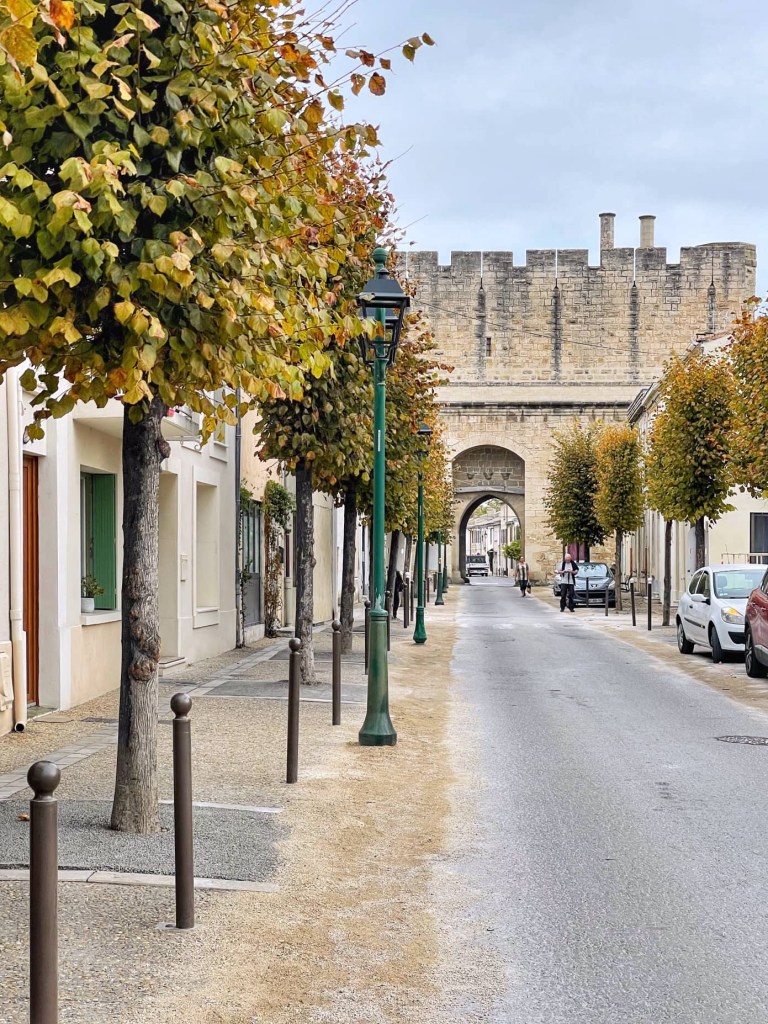
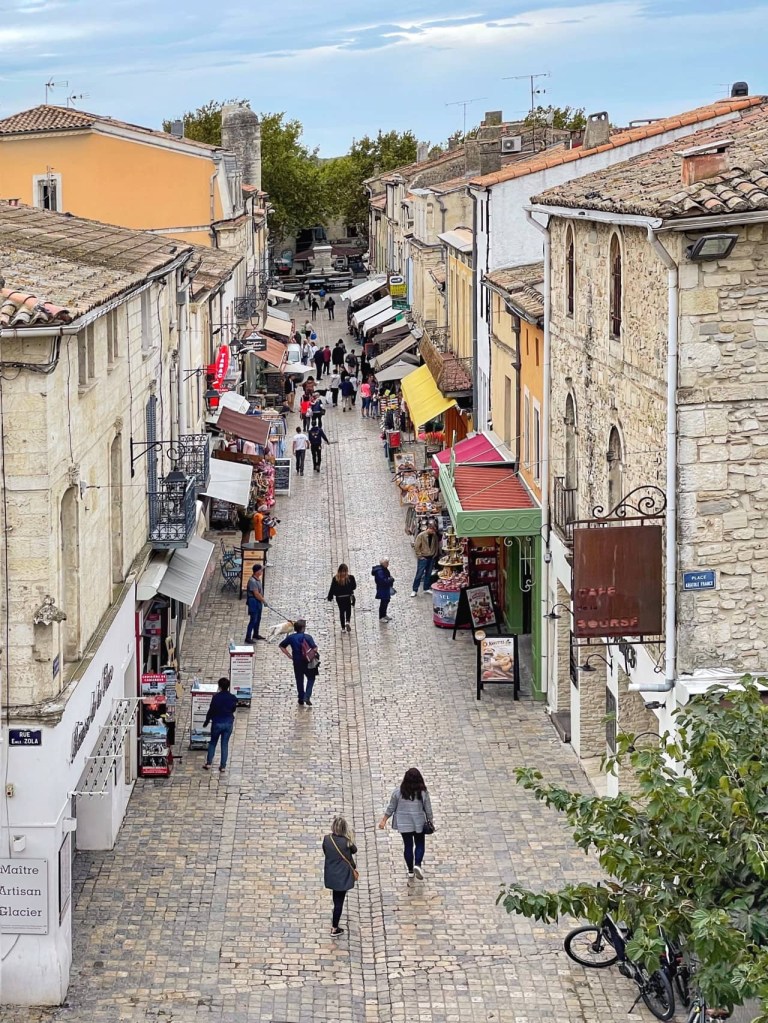
Yesterday evening, we wandered through the town, inside the walls, before doing several geocaches around the walls.

We saved the trip to the Constance Tower and the walk around the ramparts for today when we’d have more time to enjoy them.
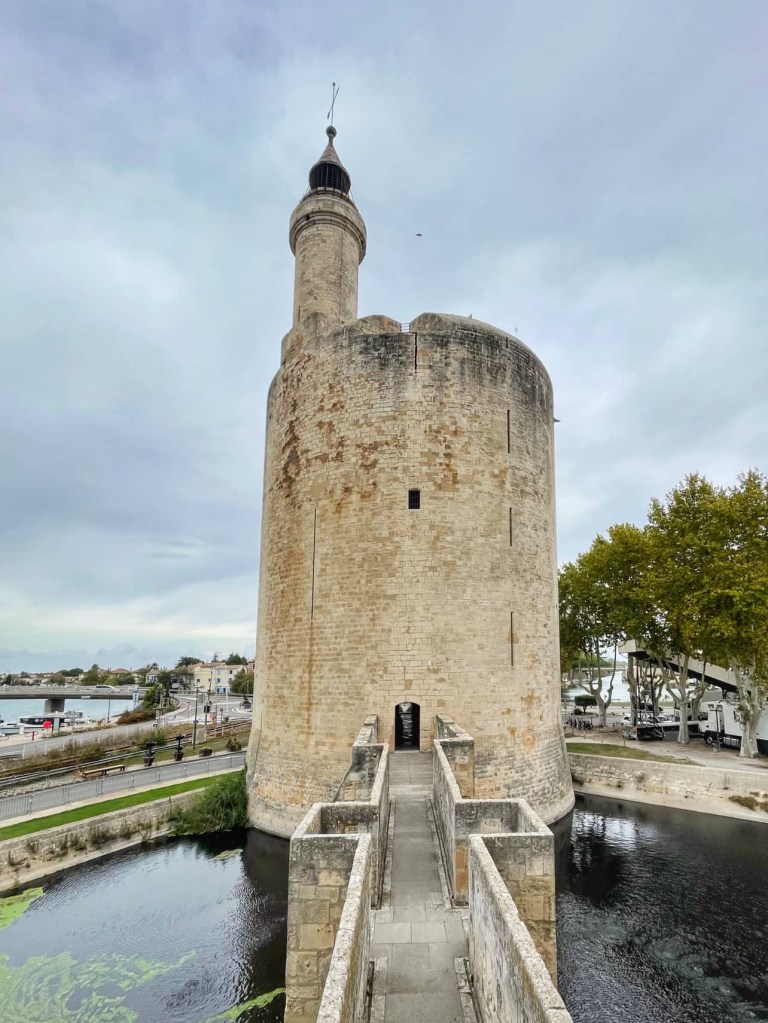

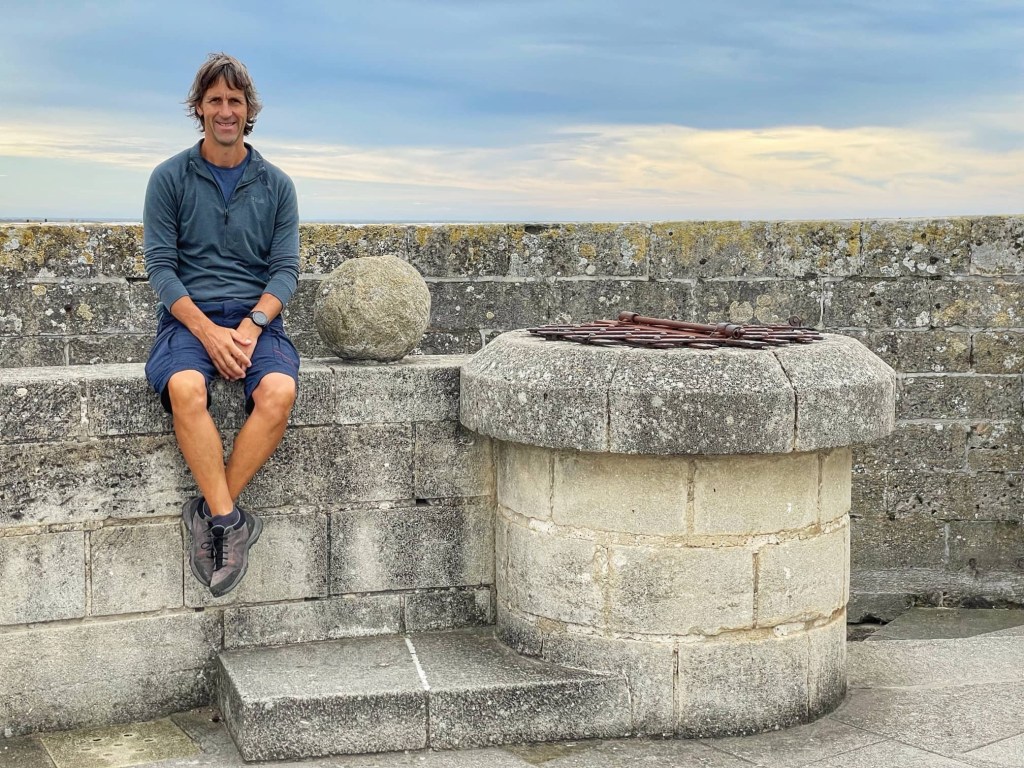
The tower was completed in 1248 for defence, and as a lighthouse to guide boats and make sure they paid their custom duties. It has 6-metre thick walls and a spiral staircase passes through 3 floors to a terrace and turret on the top.
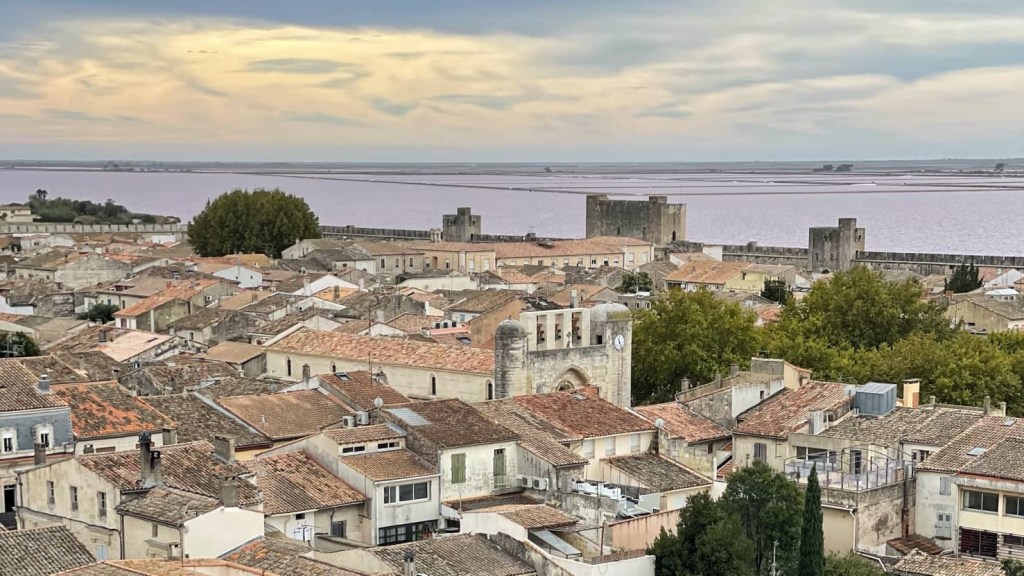

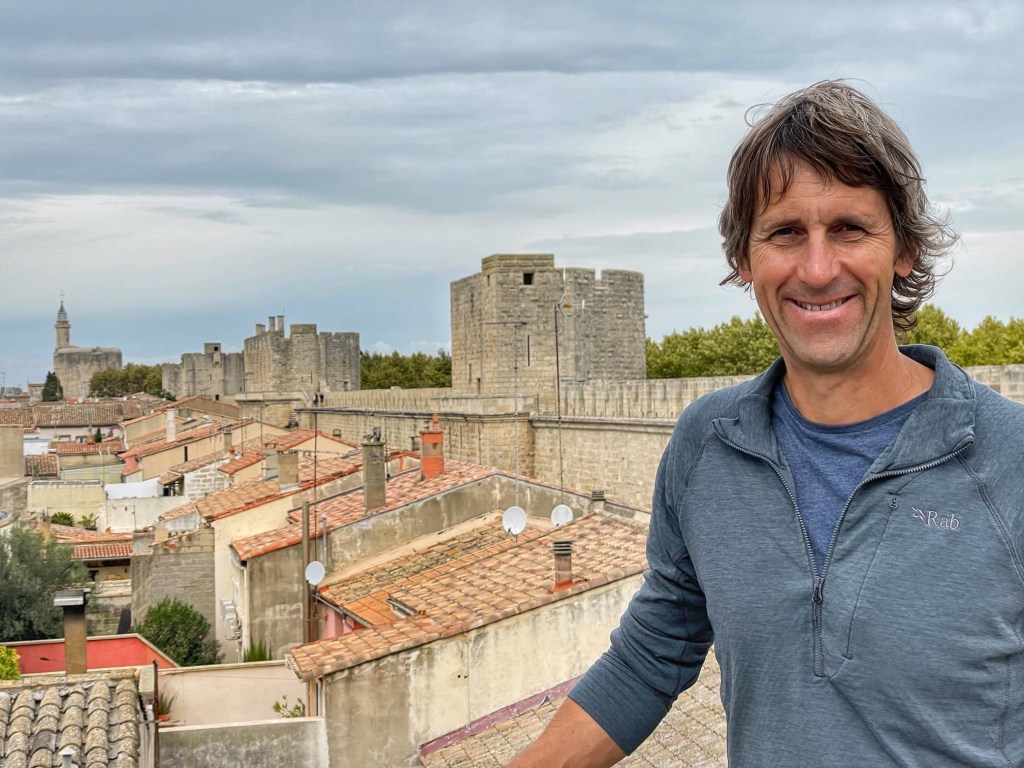
The views from the terrace are wonderful. We could see the ramparts right around the town, enclosing the buildings and streets, which are laid out in a grid pattern.

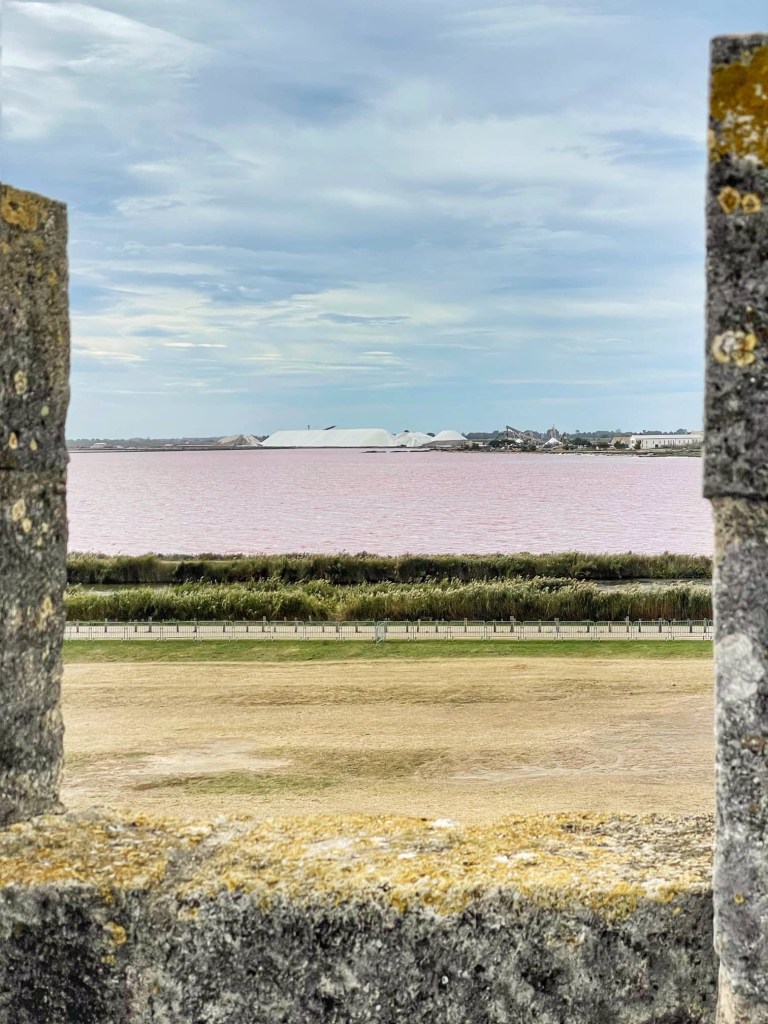
The port was just below us, with the Canal du Rhône stretching into the distance and, on the opposite side of the tower, we could see the salt pans.
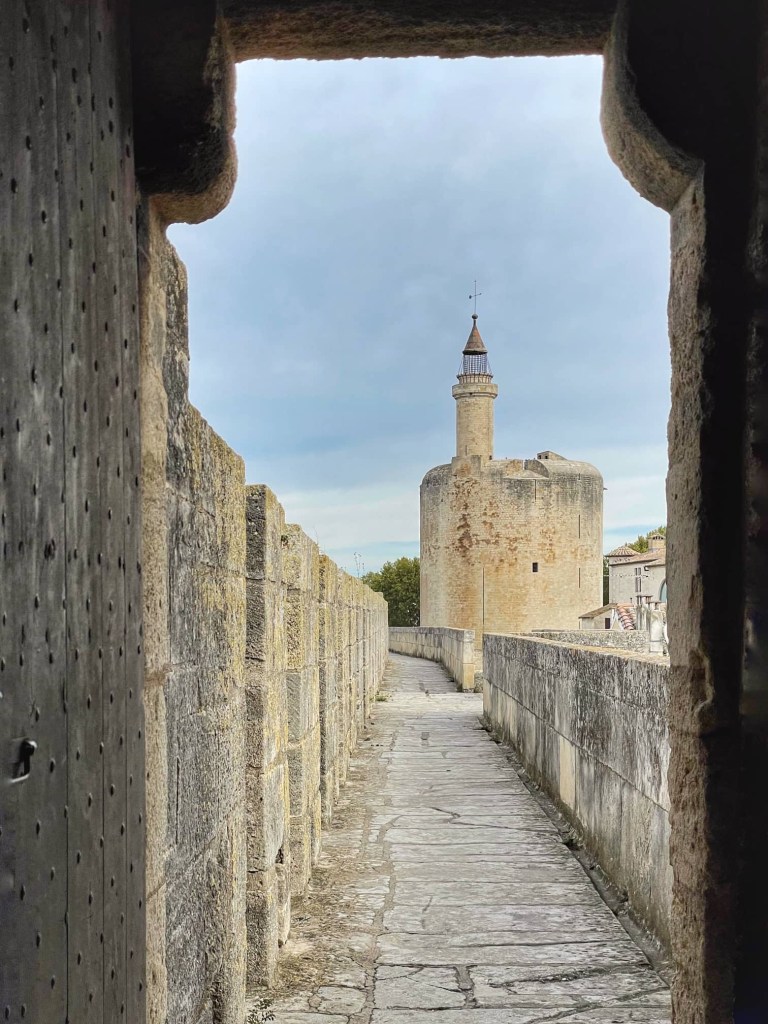
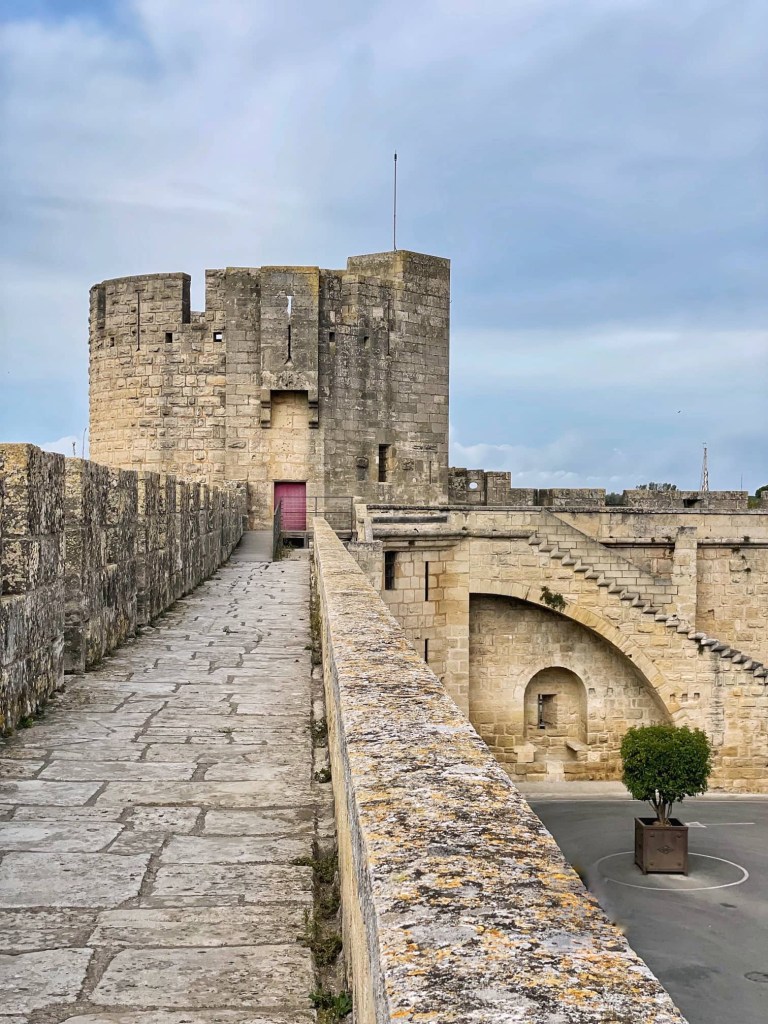
The city walls are about a mile long (1.6 kilometres), with towers at the corners and on three of the walls. There are gates for vehicles and pedestrians.


We took our time wandering around the ramparts, taking every opportunity to climb the steps in the towers to see the changing views outside the walls, and along the streets inside them.

I love the pink of the salt pans, and the white salt mountains, which make for a very unusual landscape to British eyes.
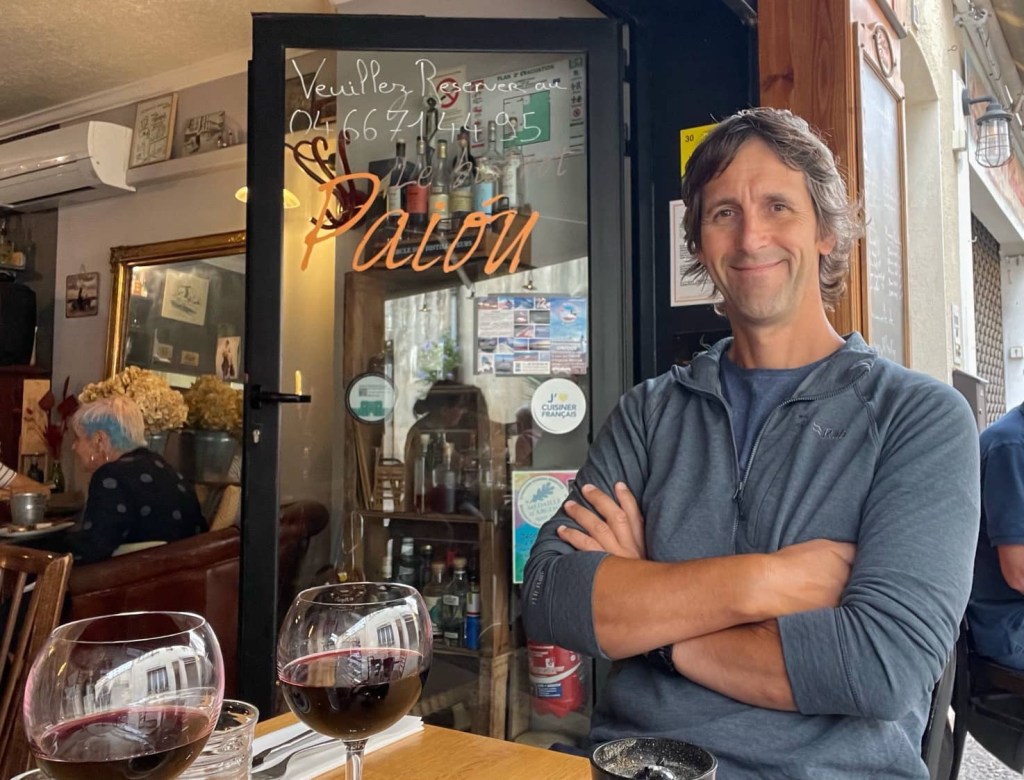
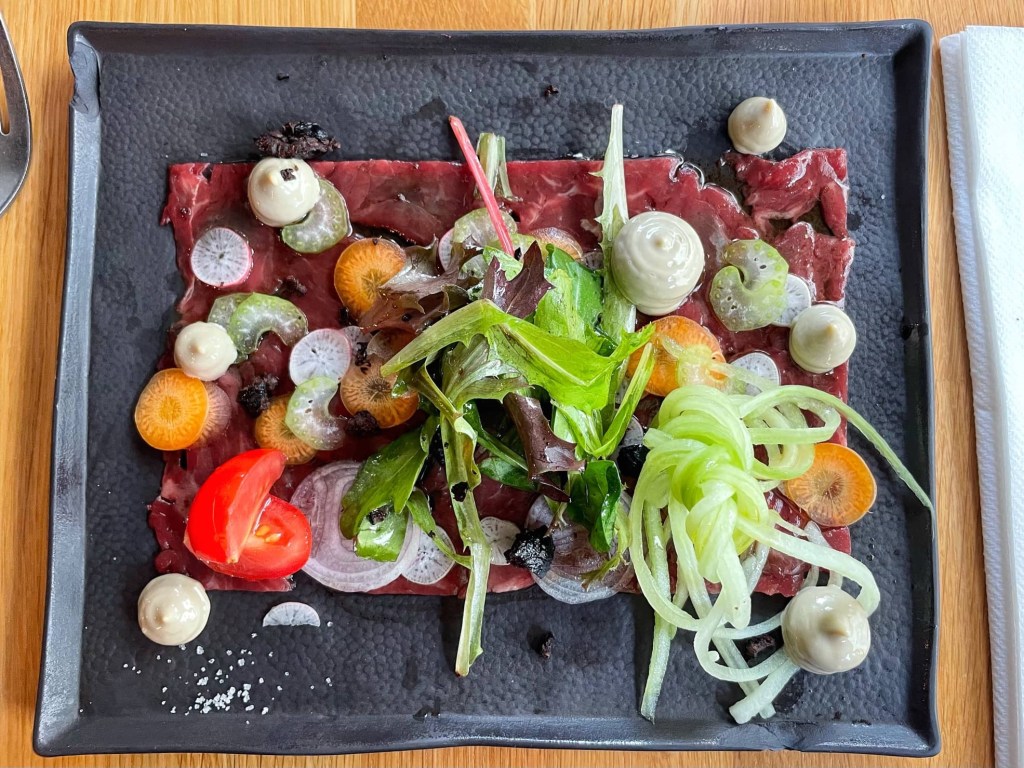
By the time we’d walked all the way round and were back at the tower, it was time for lunch. We found a little bistro down a side street. The food was delicious… Definitely one of the meals I’ve enjoyed most on this trip… bull carpaccio and braised bull for me, seafood mousse millefeuille and lamb for John. Yummy!
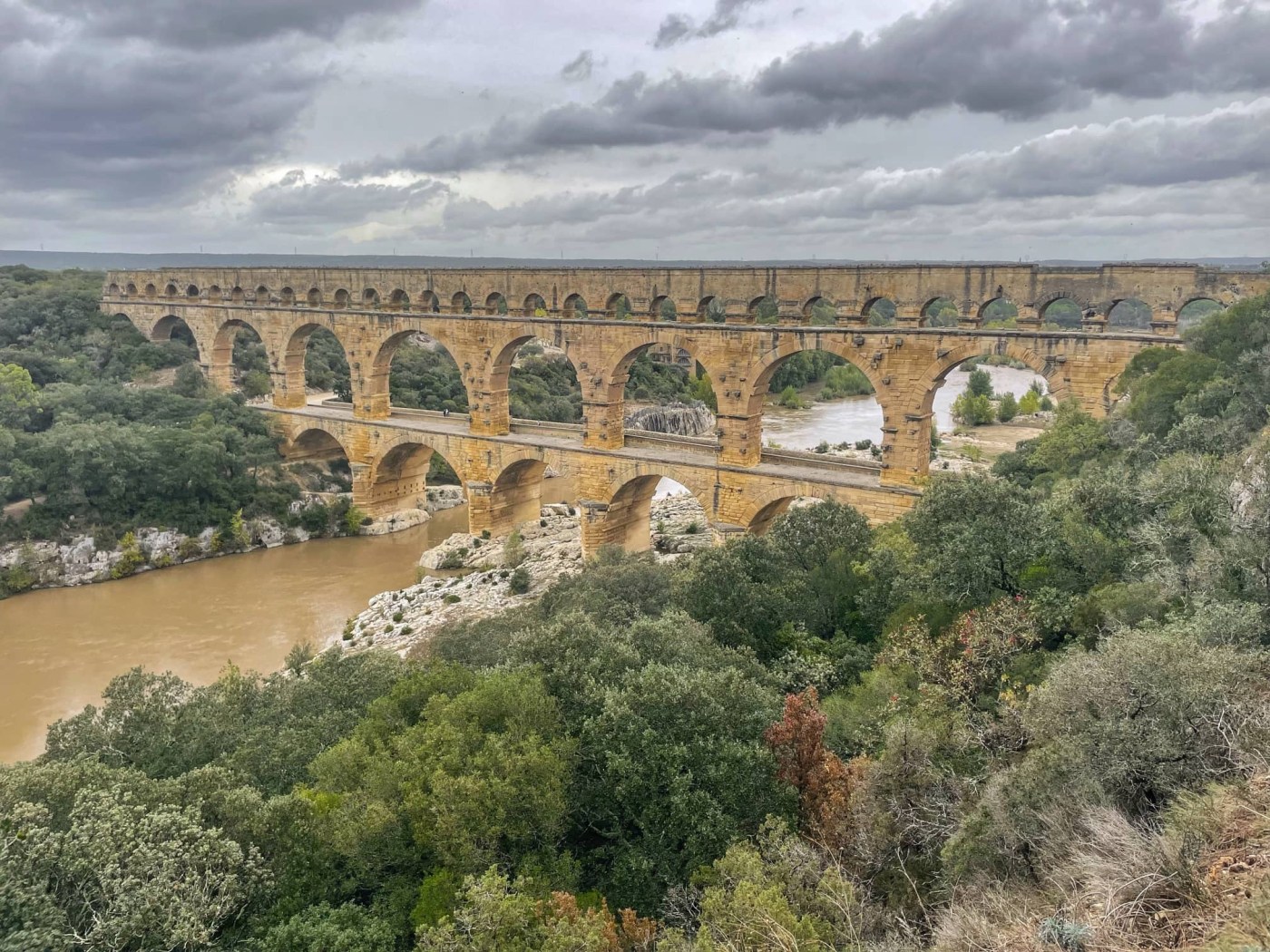
On our way to the campsite where we’re now staying in Avignon, we visited Pont du Gard. This is a three-tiered bridge and aqueduct that the Romans built. It has a channel to carry water in the top level, which was covered using flat stone slabs. Underground tunnels carried the water to the bridge, one of which we saw.
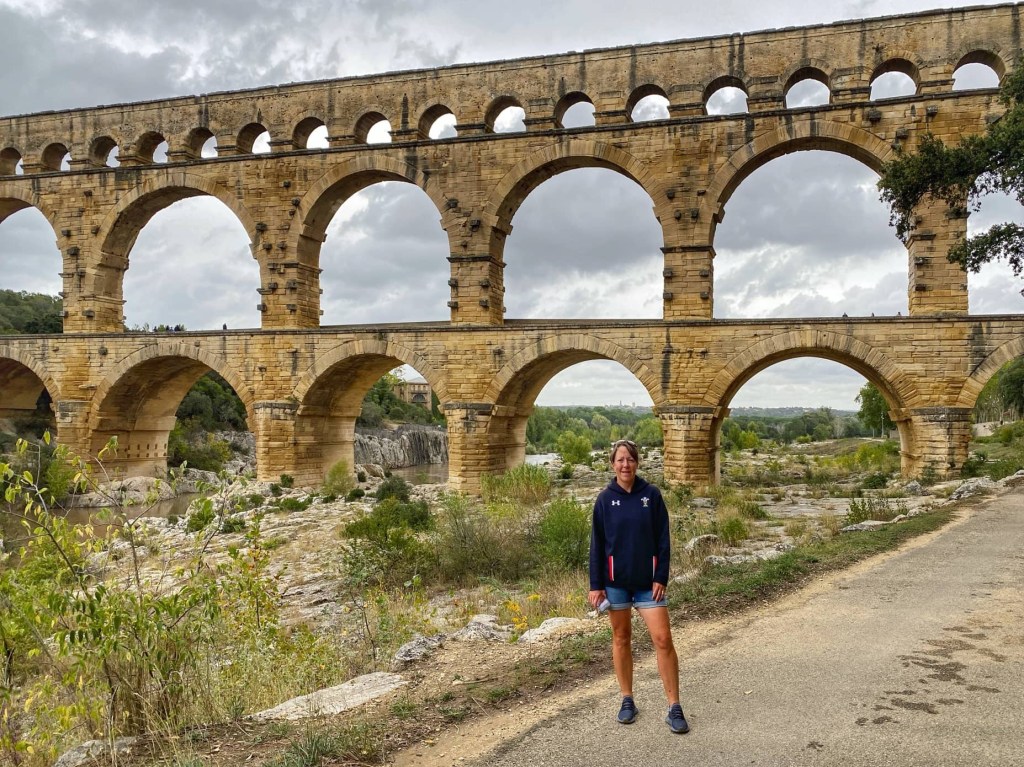

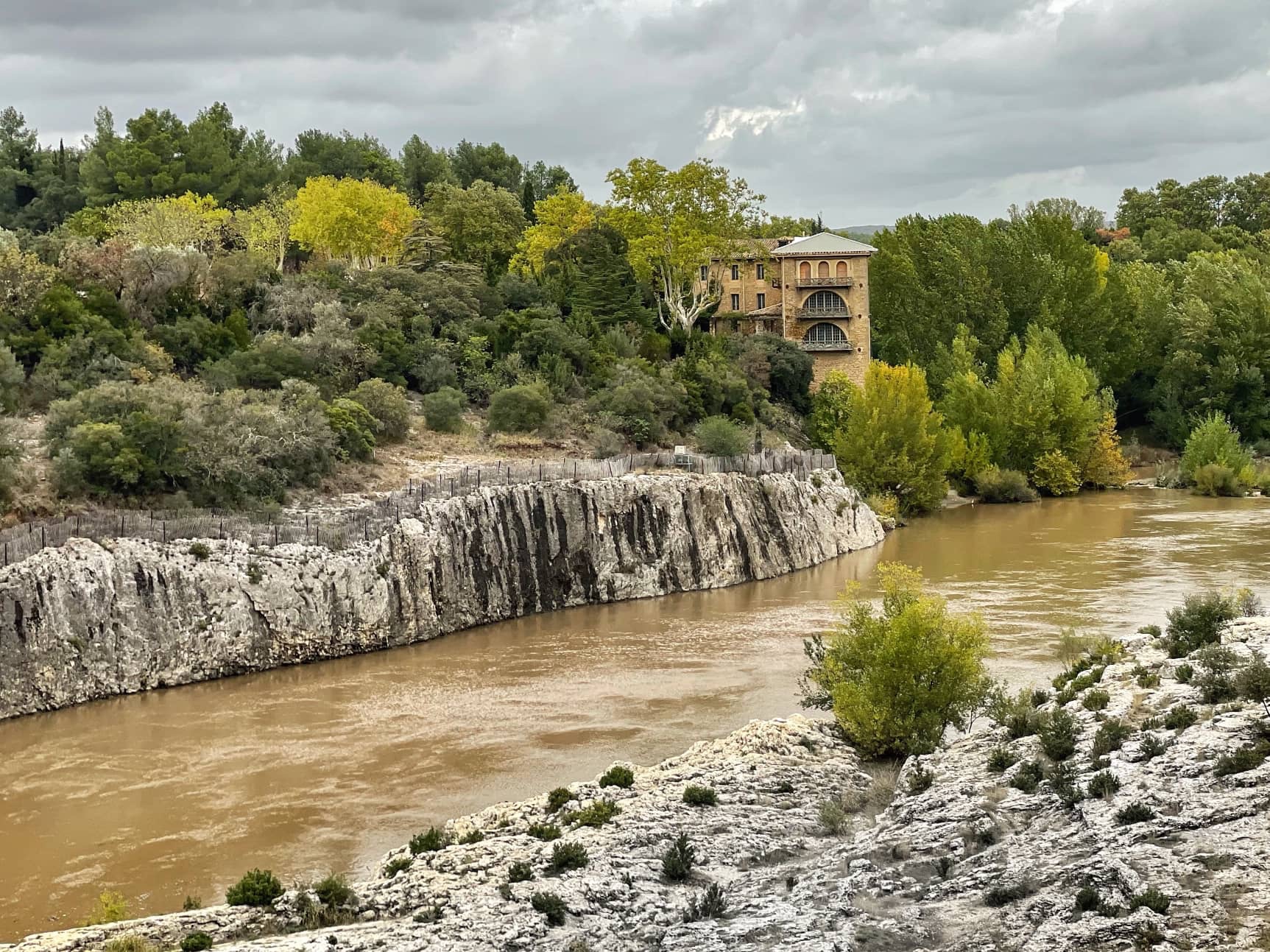
The aqueduct is an amazing construction using huge limestone blocks and no mortar. The three tiers gave it sufficient strength to carry water, and pointed buttresses still help it resist floodwaters. The river was muddy and fast flowing today, so there must have been a lot of rain upstream.
It’s rained all night and all morning in Avignon, so we’re having a lazy day today, catching up on some chores and relaxing before we visit the town tomorrow.
 Ramblings
That aqueduct is just amazing!
LikeLiked by 1 person