After a rainy night with some thunder disturbing our sleep, we had a leisurely start to the day.
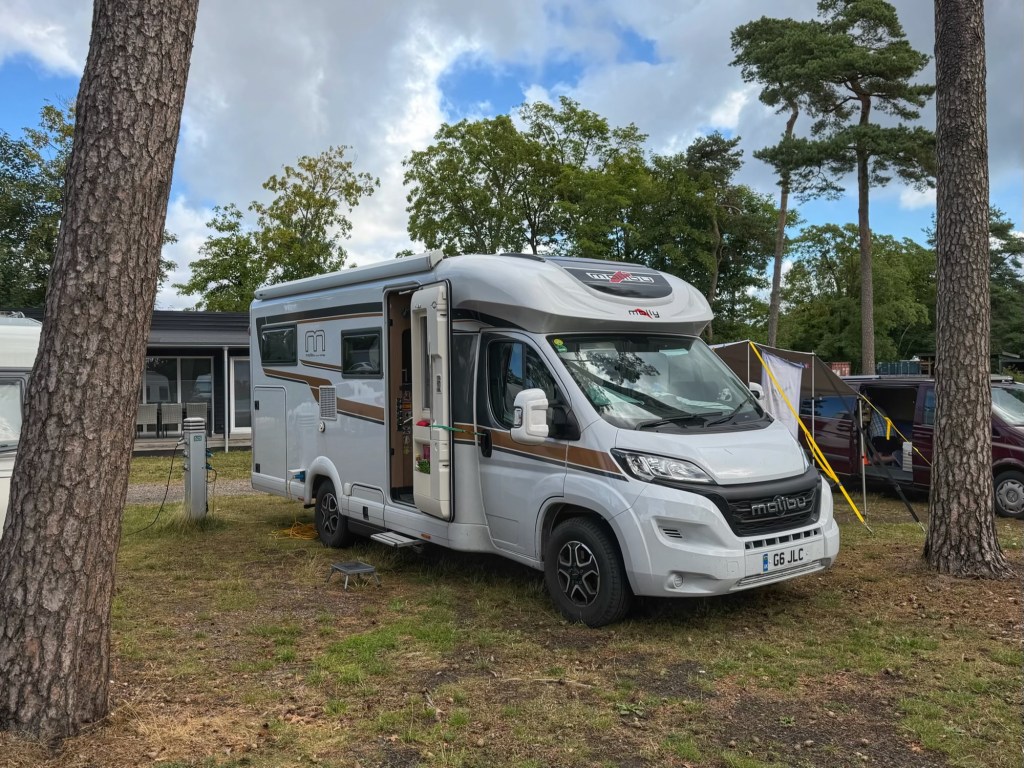
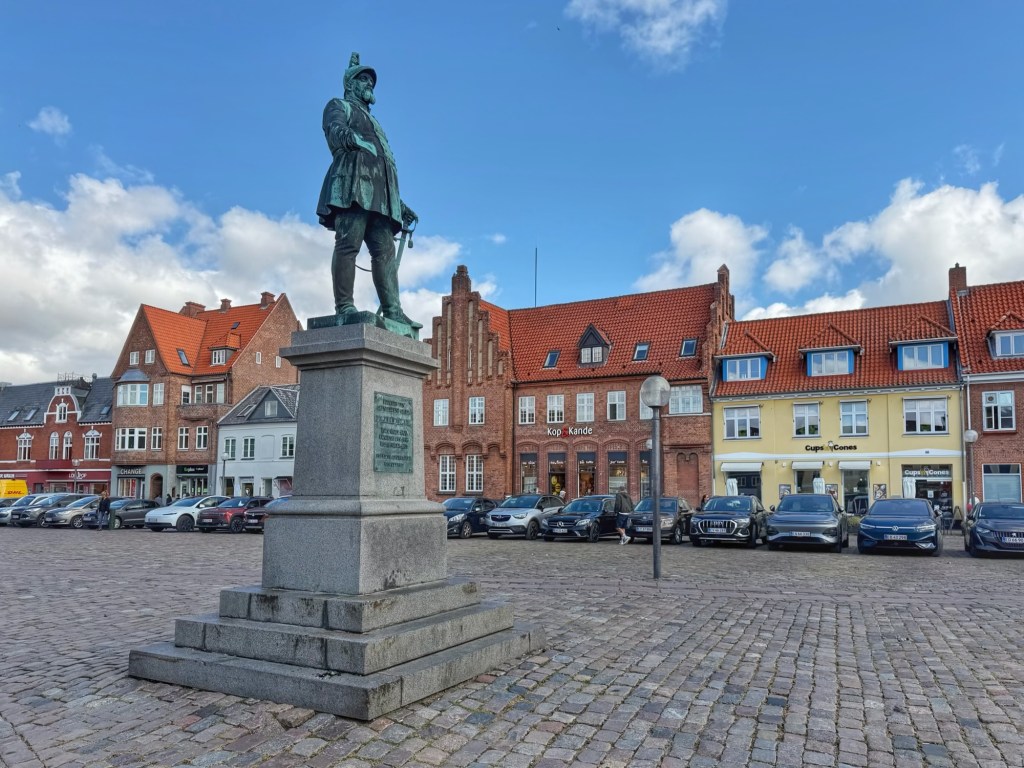
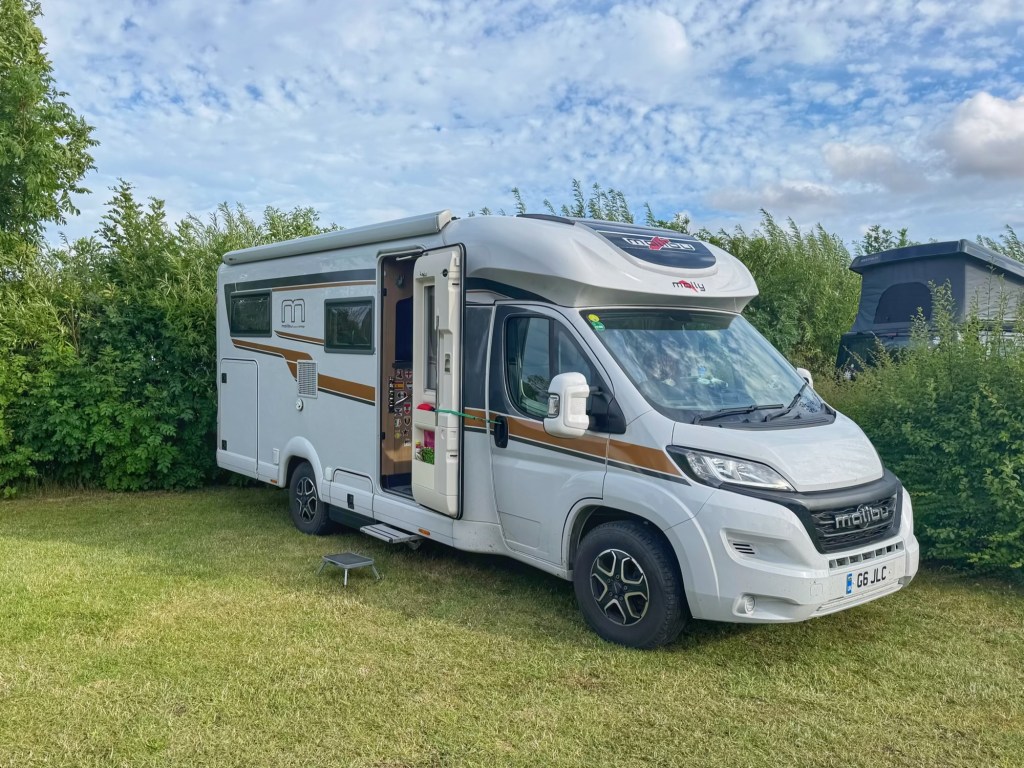
We drove into the city of Køge, a Danish market town and port. John parked Molly Moho and we wandered through the old town with its market square and half timbered houses.
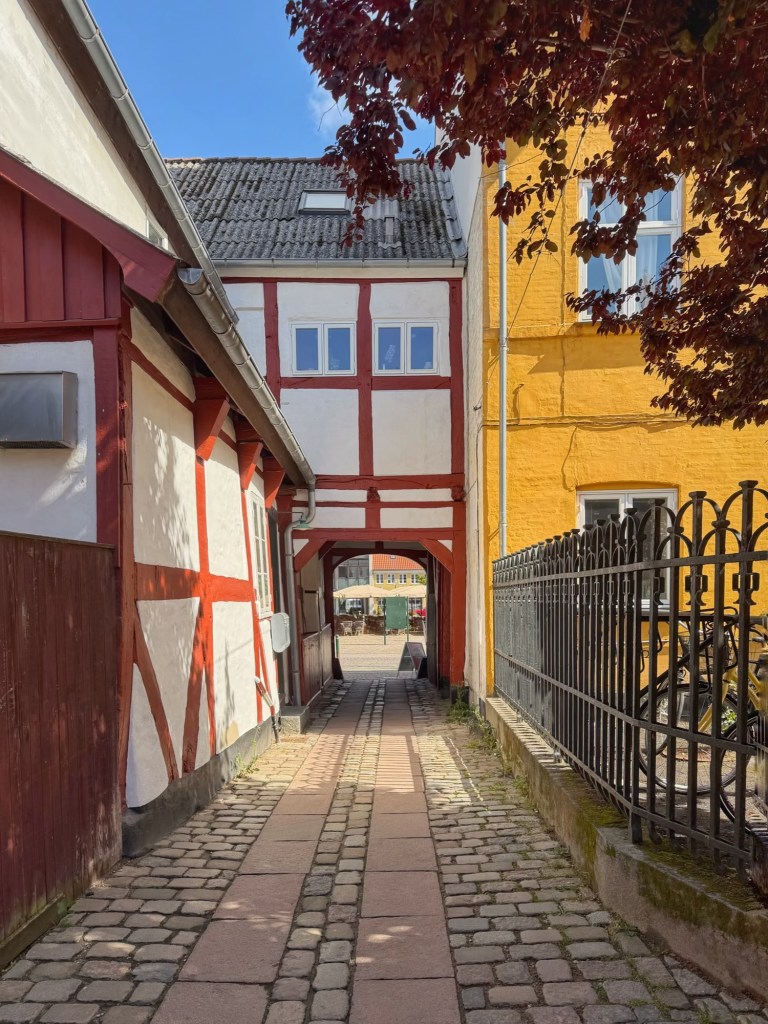
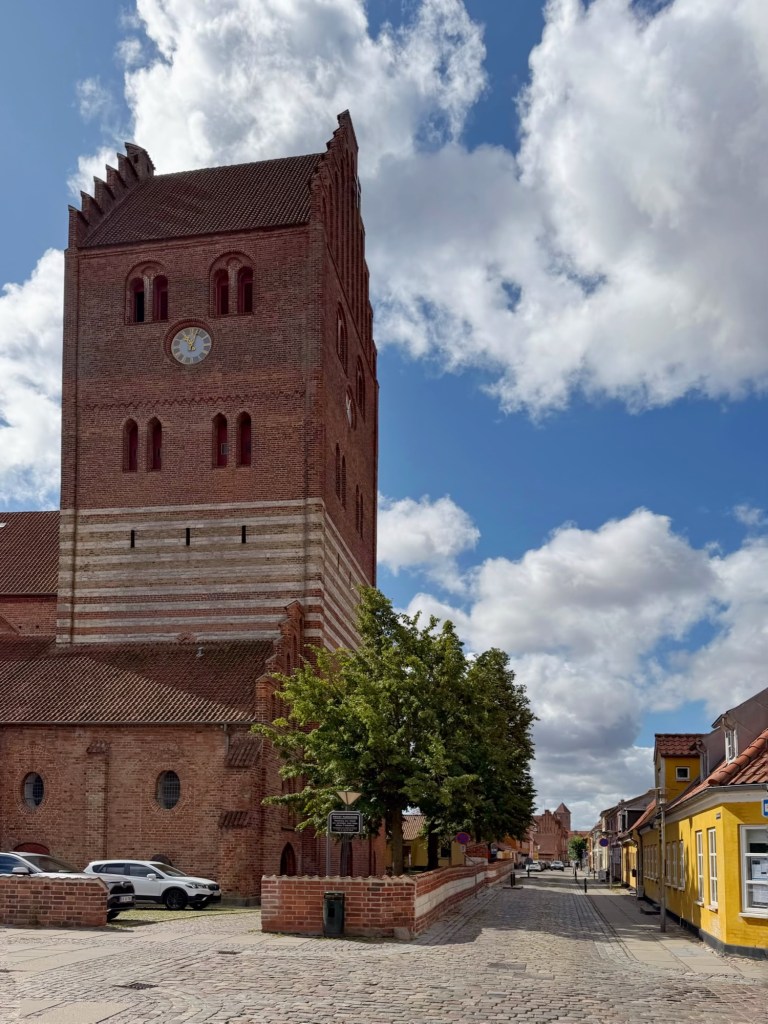
We followed a short walk that gave us a flavour of the city, although I think there was much more to see.
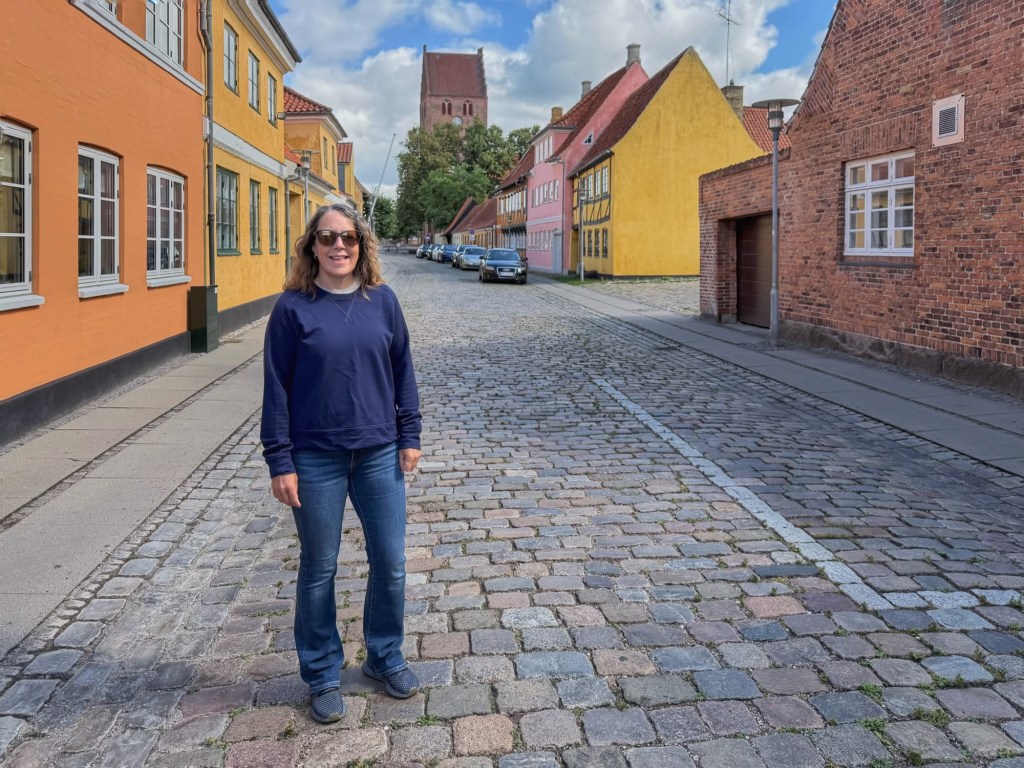
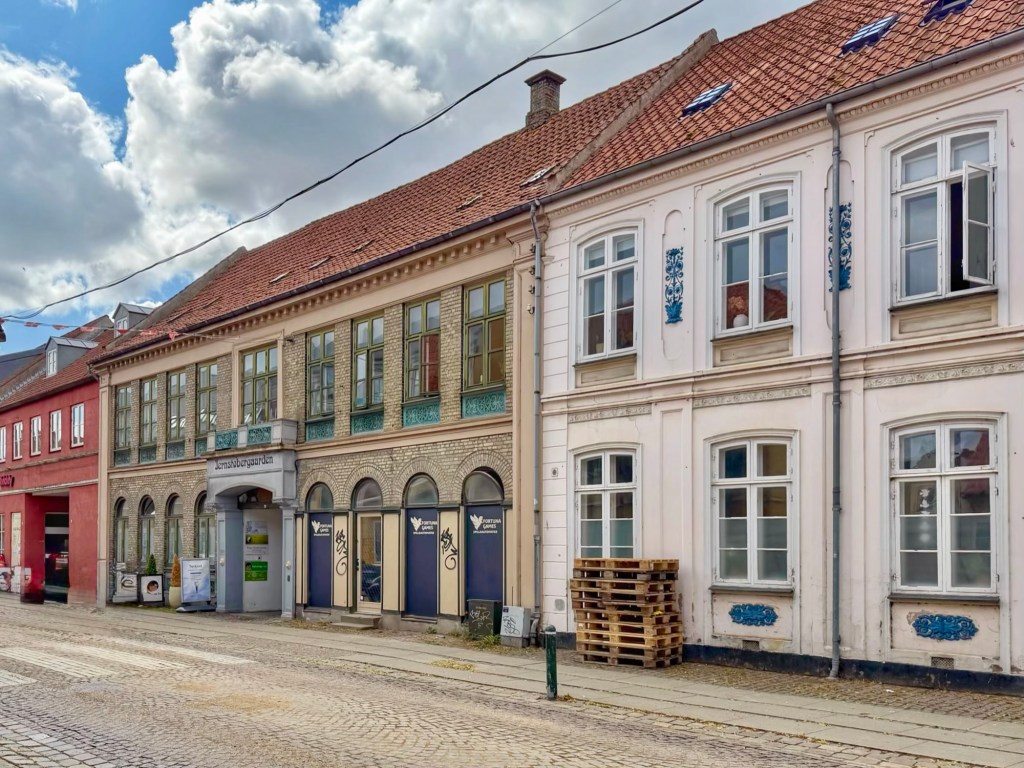
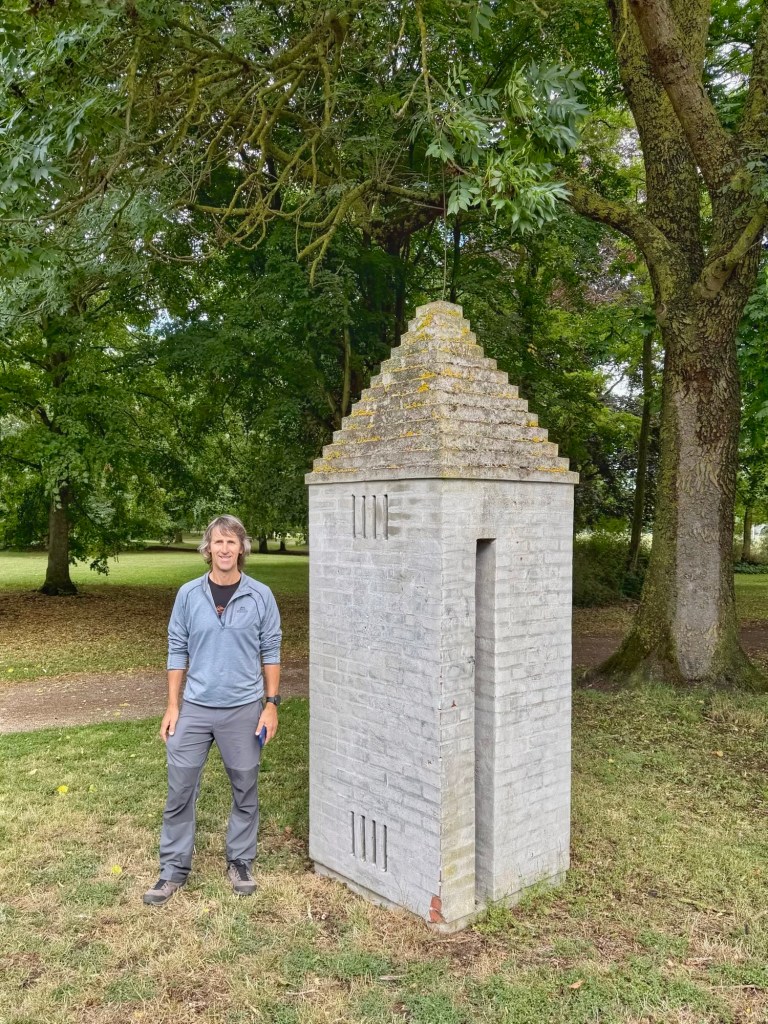
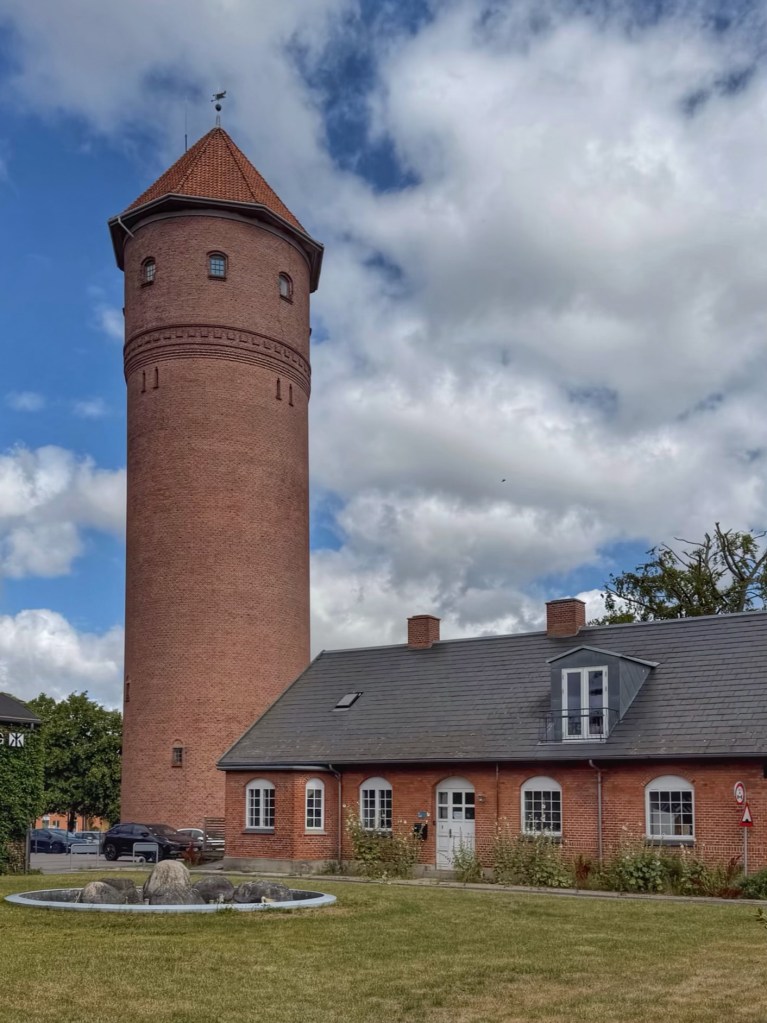
The place has lots of character with the colourful old houses, church and water tower, and there are parks and a river running through the city.
Afterwards, we drove to Stevns Klint, a UNESCO World Heritage Site. It’s a 15 kilometre long fossil-filled coastal cliff and is particularly important because a thin layer of ‘fish clay’ provides evidence of a meteorite crashing into the Earth over 65 million years ago. Experts think this caused mass extinction and the disappearance of 50% of all life on Earth, including dinosaurs.
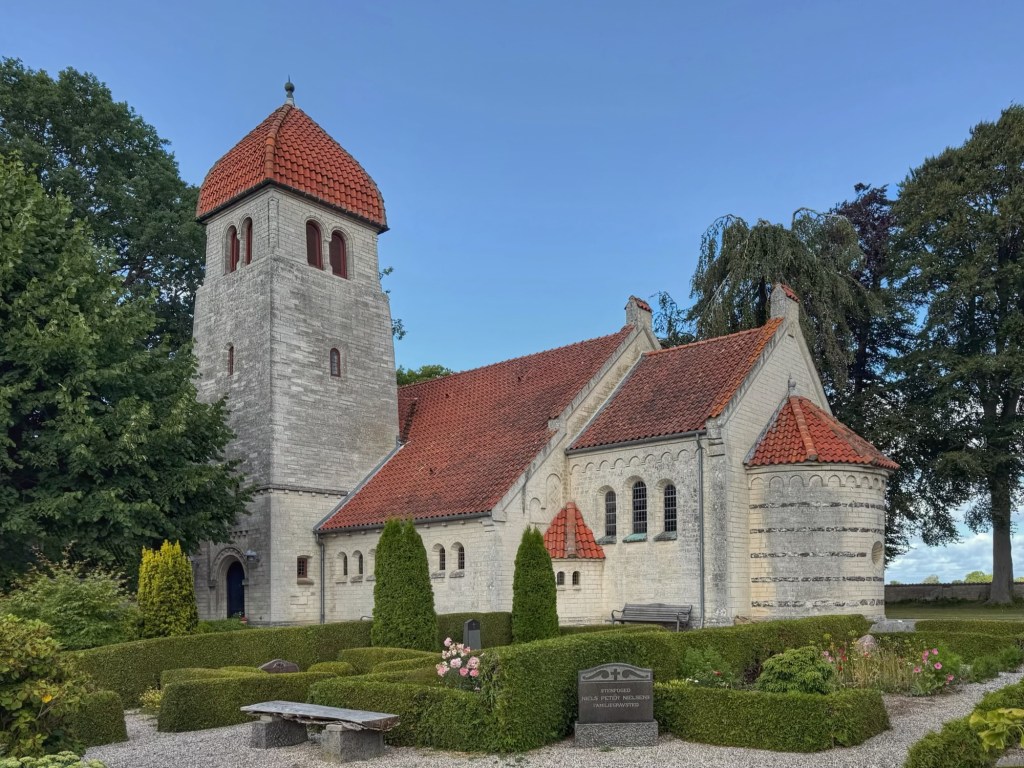
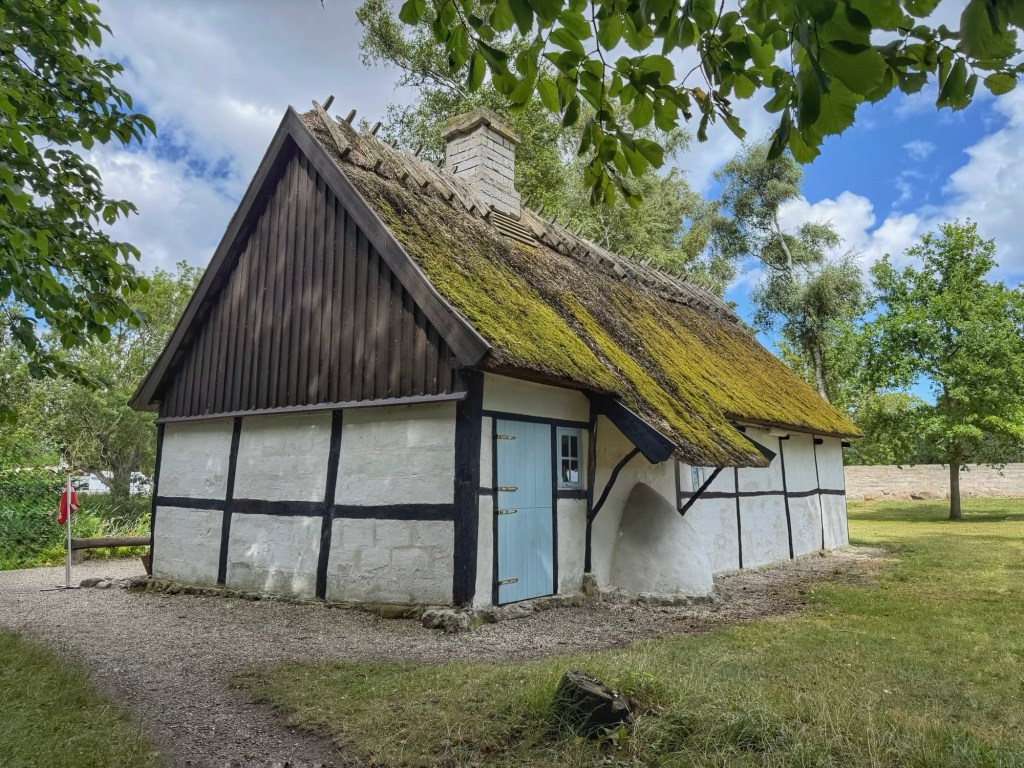
We stopped at Højerup, first visiting a couple of churches and a thatched former fisherman’s cottage.
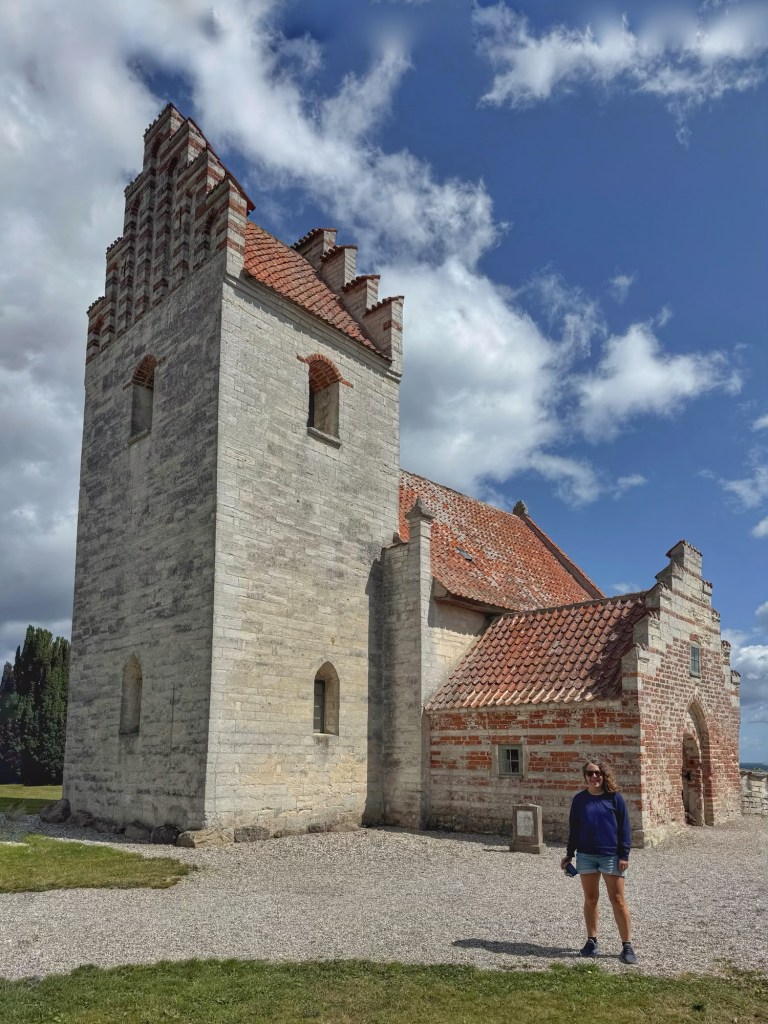
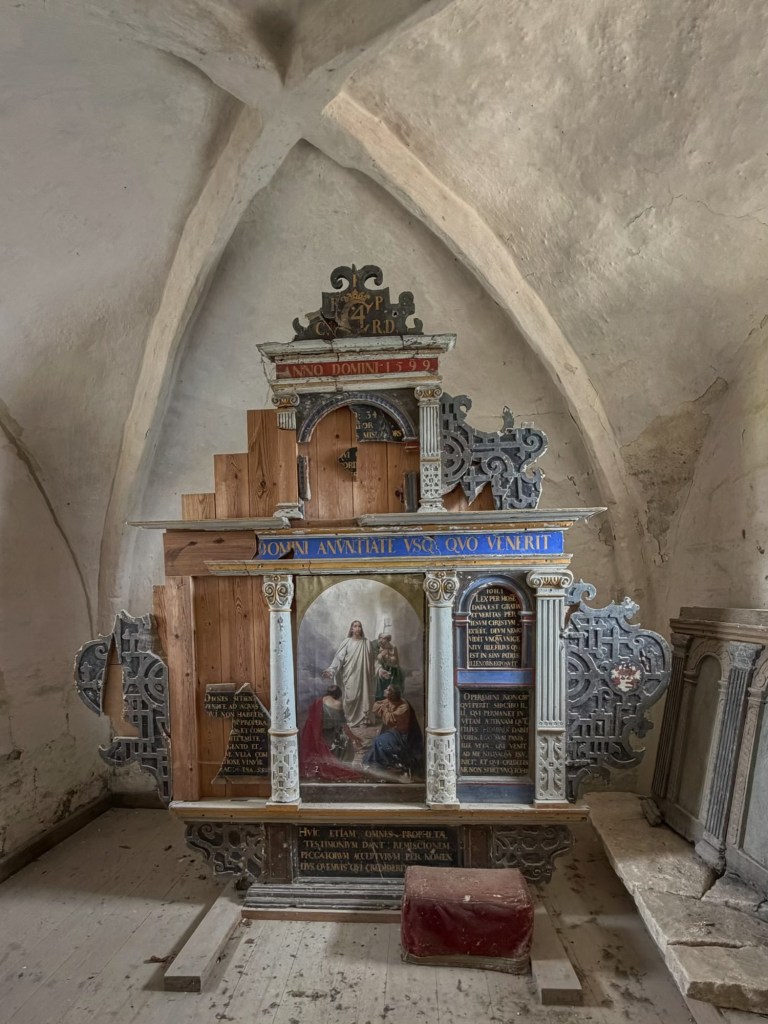
The old church is on top of a 30 metre high cliff. The sea undermined the cliff and part of the church collapsed in 1928. It’s no longer used but has been reinforced against further collapses and now has a viewing deck.
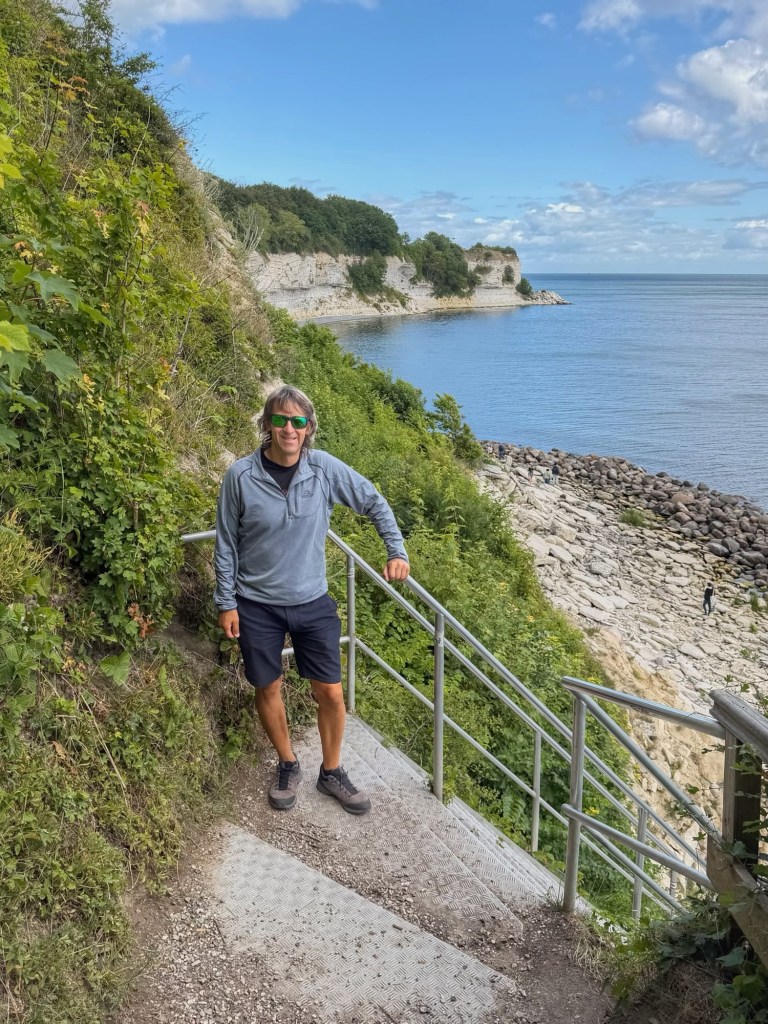
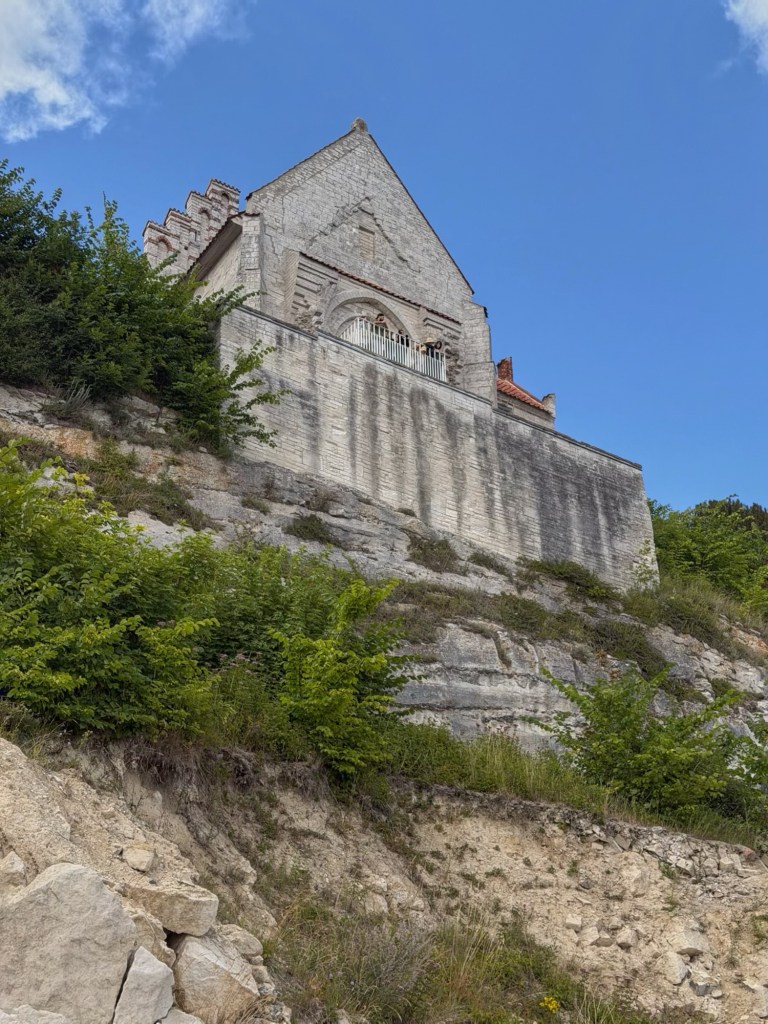
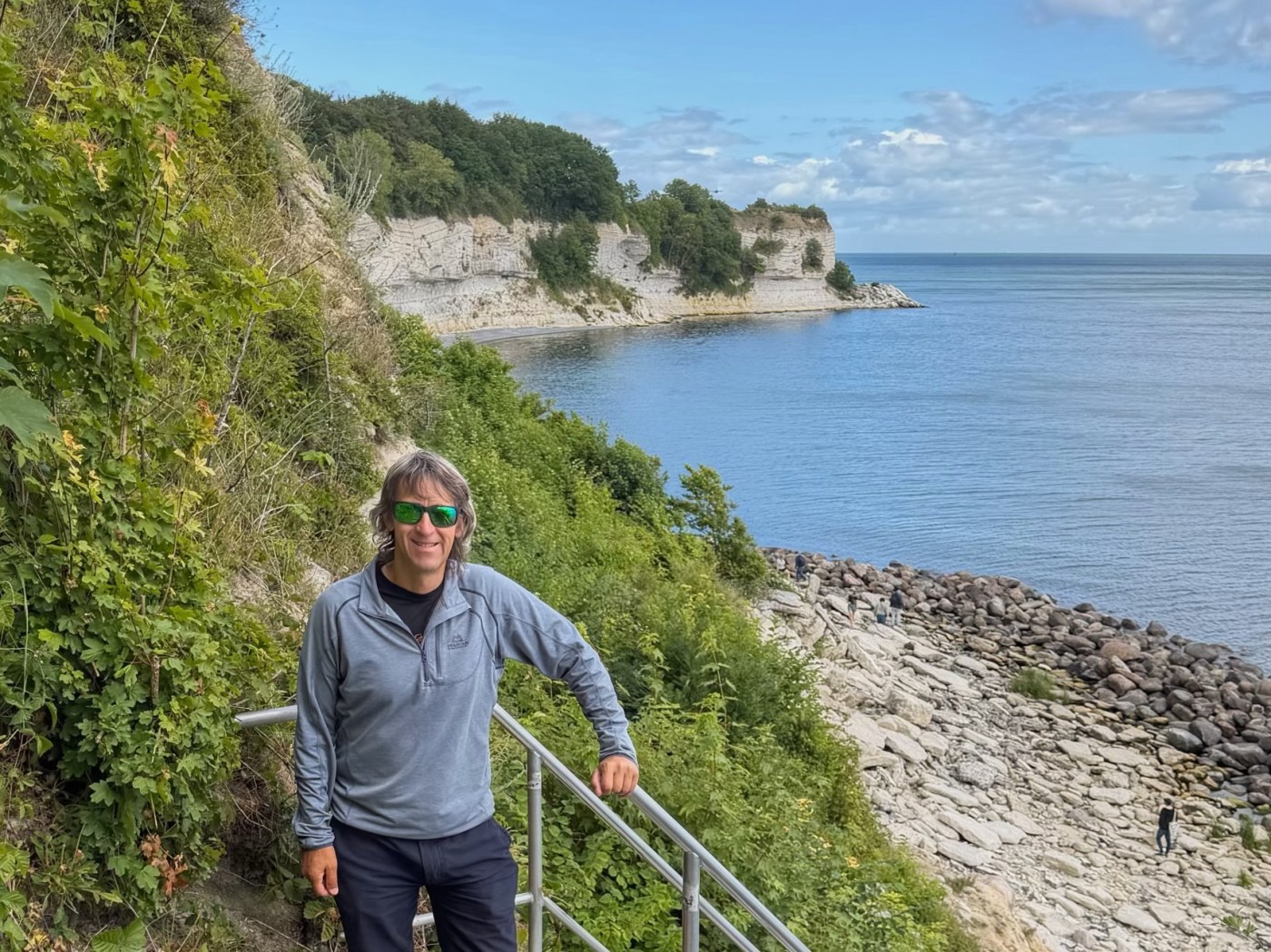
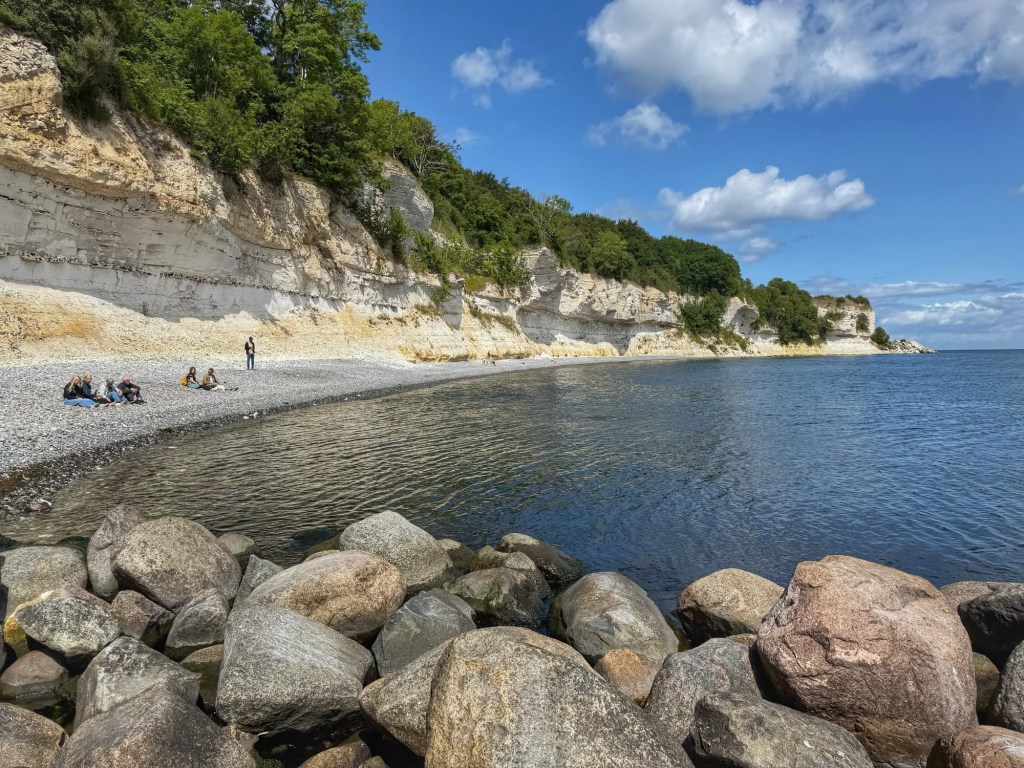
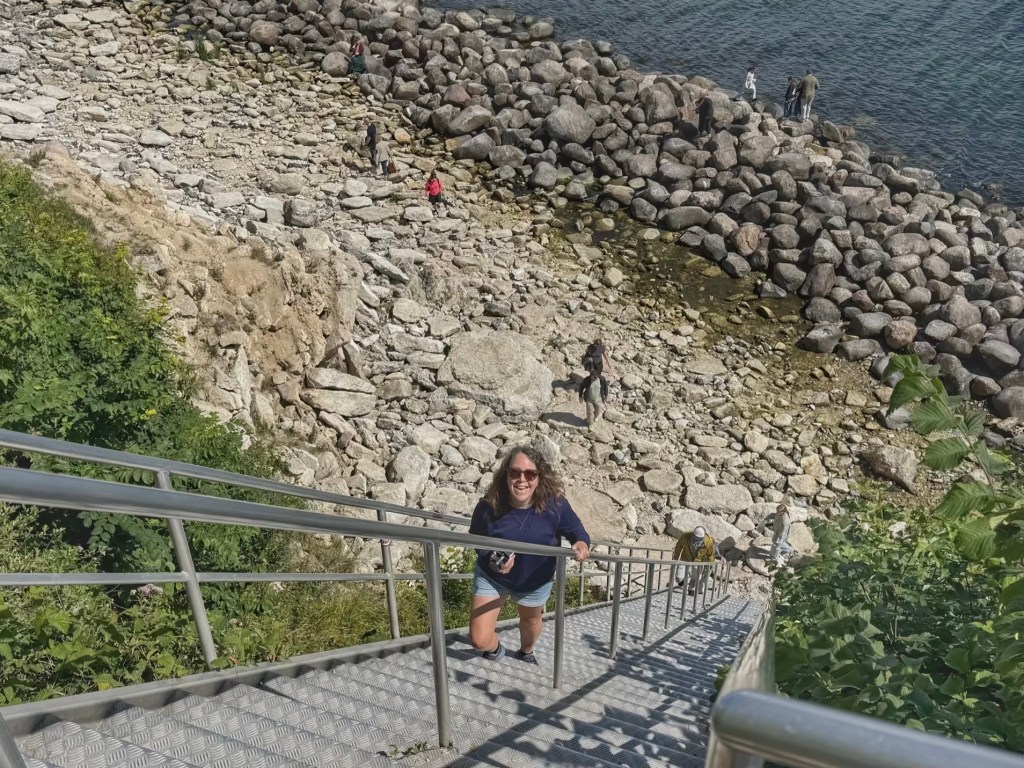
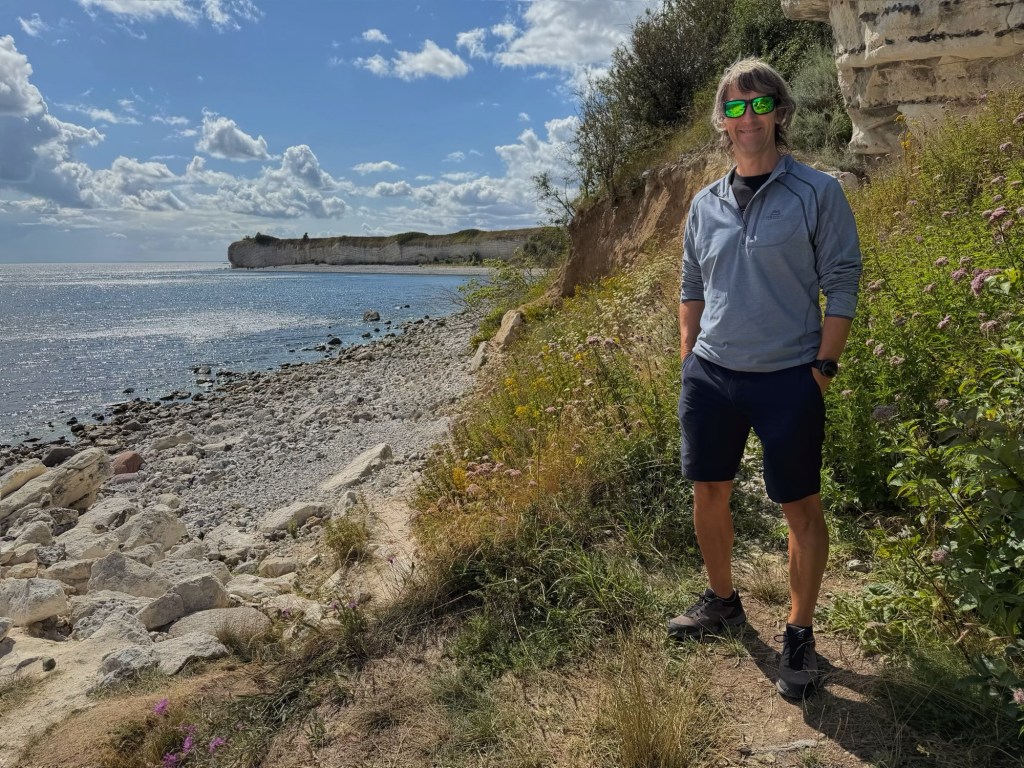
We then climbed town a long, steep staircase onto the rocky beach below the old church and the cliffs of Stevns Klint. The layers of rock can be seen clearly, with lumps of flint protruding, and the thin grey layer of ash caused across the Earth by the asteroid’s impact.
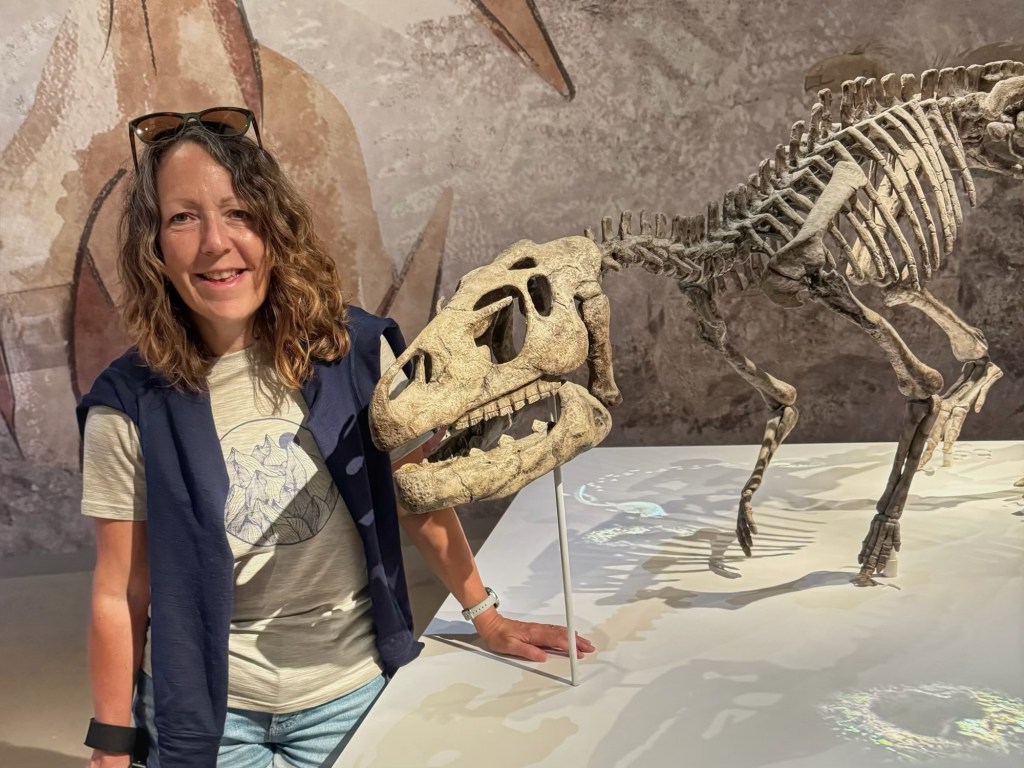
From here, we moved further down the coast to the Stevns Klint Experience, where we learnt more about how the asteroid changed life on Earth. The displays were informative and interactive, and we enjoyed our visit.
By now it was late afternoon and time to make our way to a campsite on the island of Møn. We have a day here to relax before heading into Germany for the last stage of our trip.


Leave a Reply