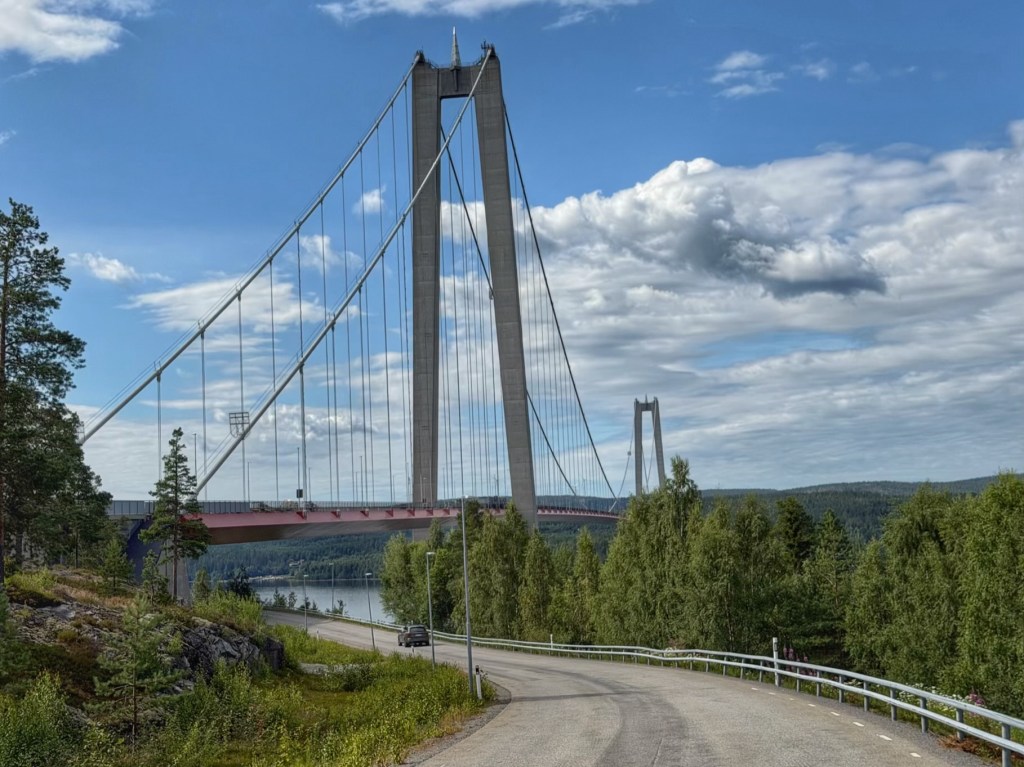
We had a leisurely breakfast before setting off south through the High Coast area and then down to Gävle. The scenery was lovely with hills, lakes, forests, coastal inlets and islands. The only notable feature of the route was crossing the Högakustenbron (High Coast Bridge) which is the third longest suspension bridge in Scandinavia.
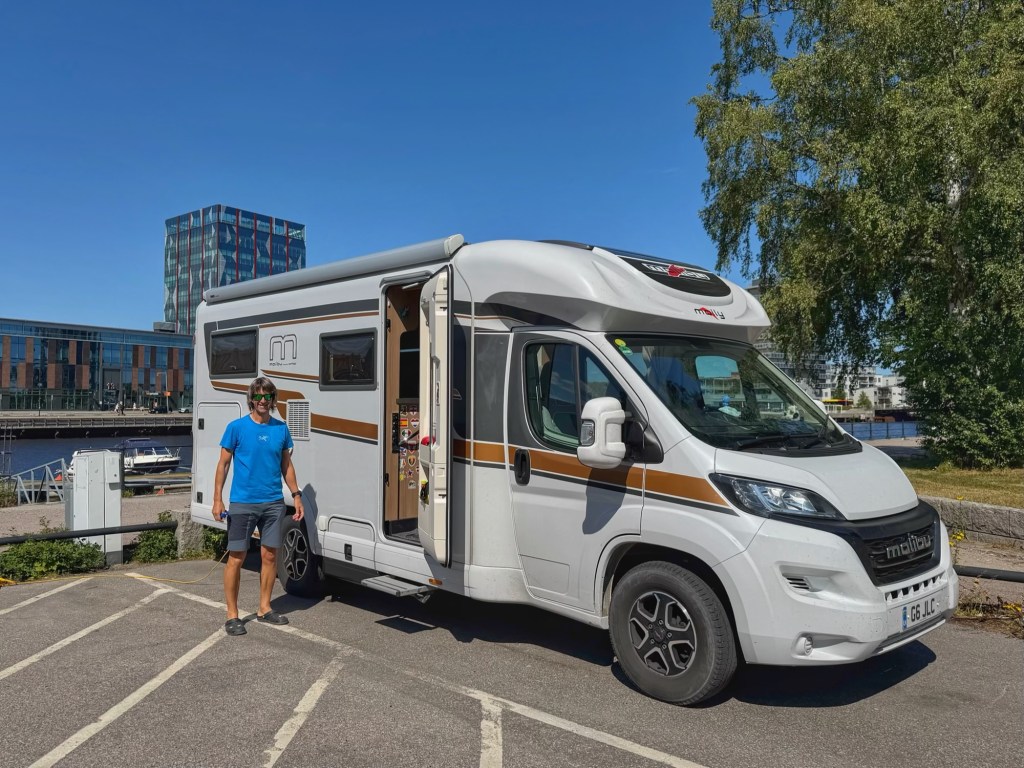
The E4 road was fairly quiet to drive, by UK standards, with lots of dual carriageway sections for overtaking the lorries and caravans. Getting to the motorhome stopover in the city was straightforward and, luckily, when we arrived someone was just about to leave so we took his place. Otherwise, we would have been moving on because there were no free spaces. It’s a pleasant spot by the river, although there’s some traffic noise.
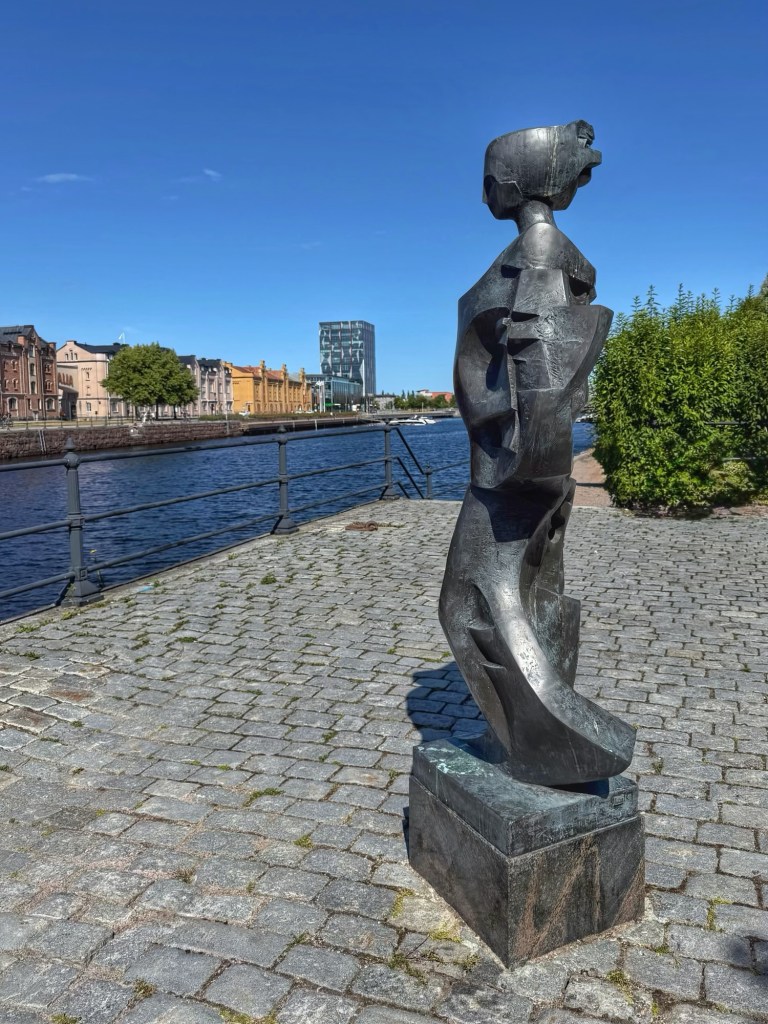
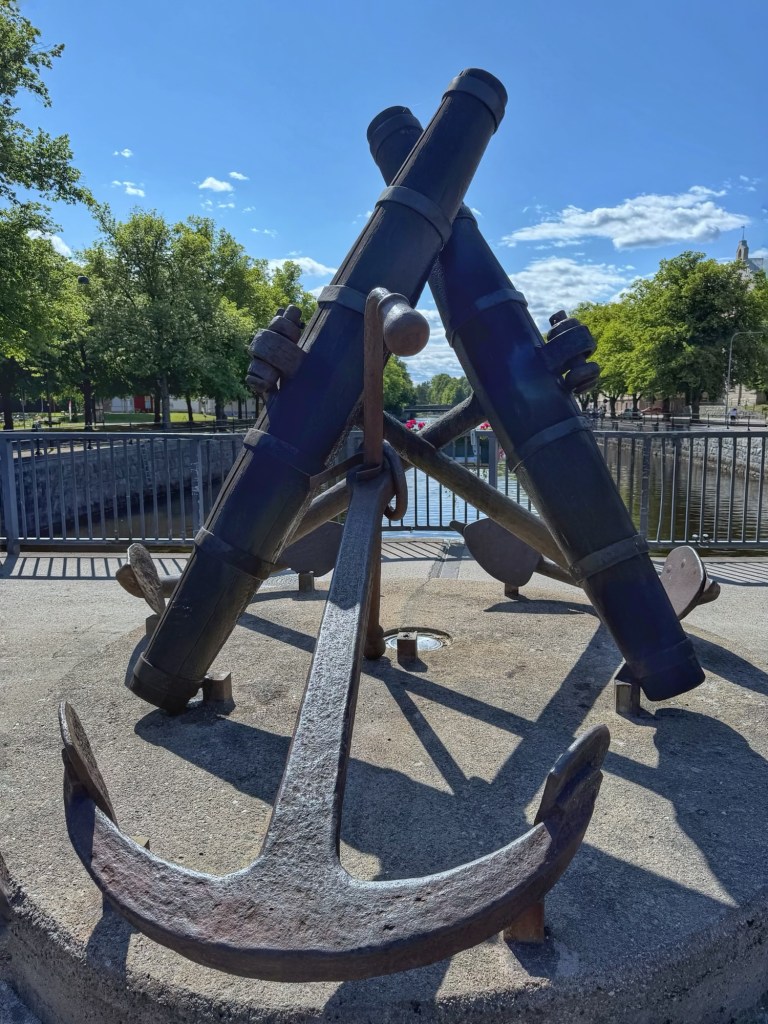
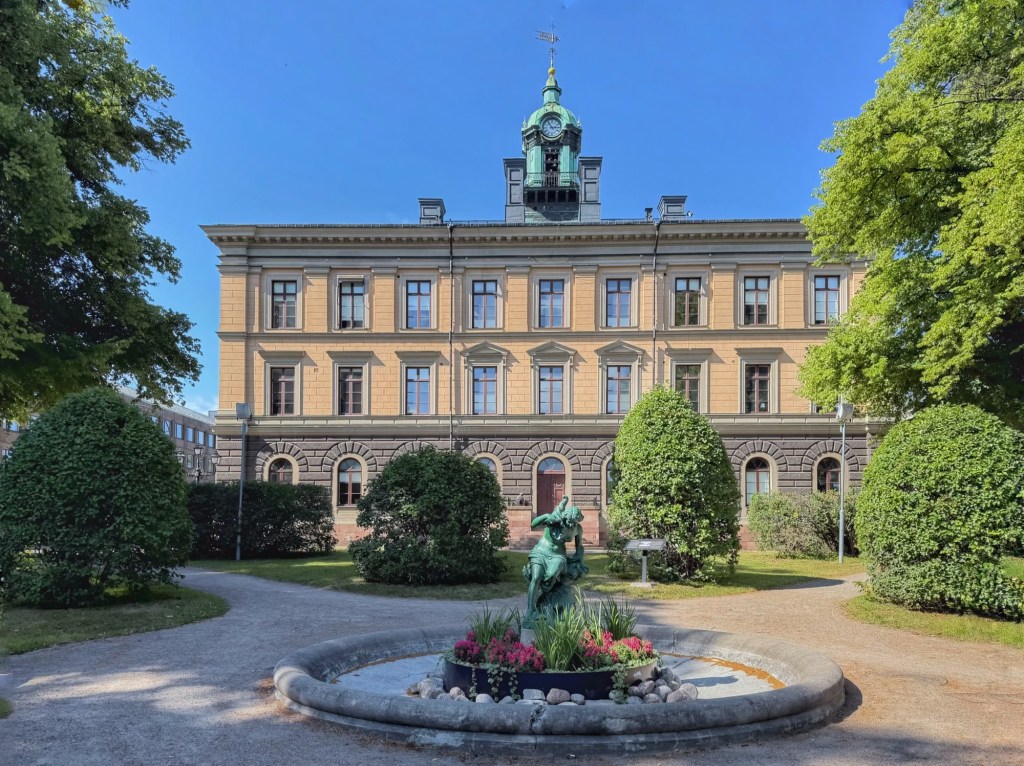
In the afternoon, we had a walk around the city centre following the tourist guide’s suggested route, taking in the main sights of interest. We started by wandering along the river before crossing it and checking out some of the grand buildings in the town… the Old Grand Hotel, the Town Hall, the City Hall, a theatre and bank. There are many statues and pieces of artwork around the city, and several fountains.
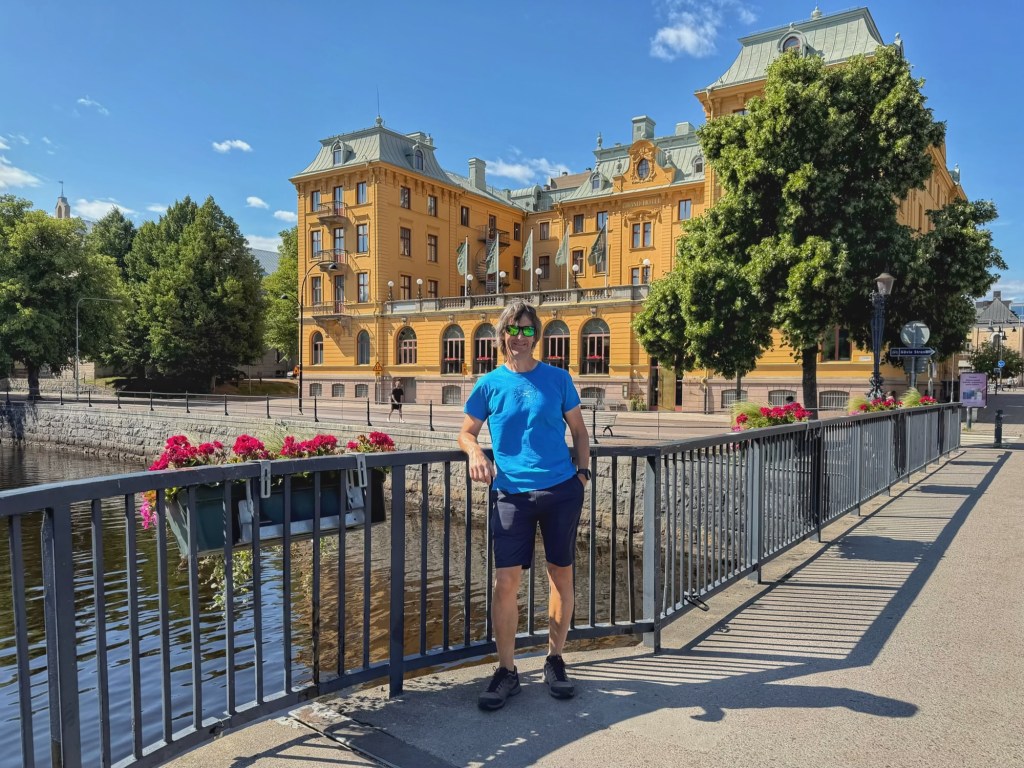
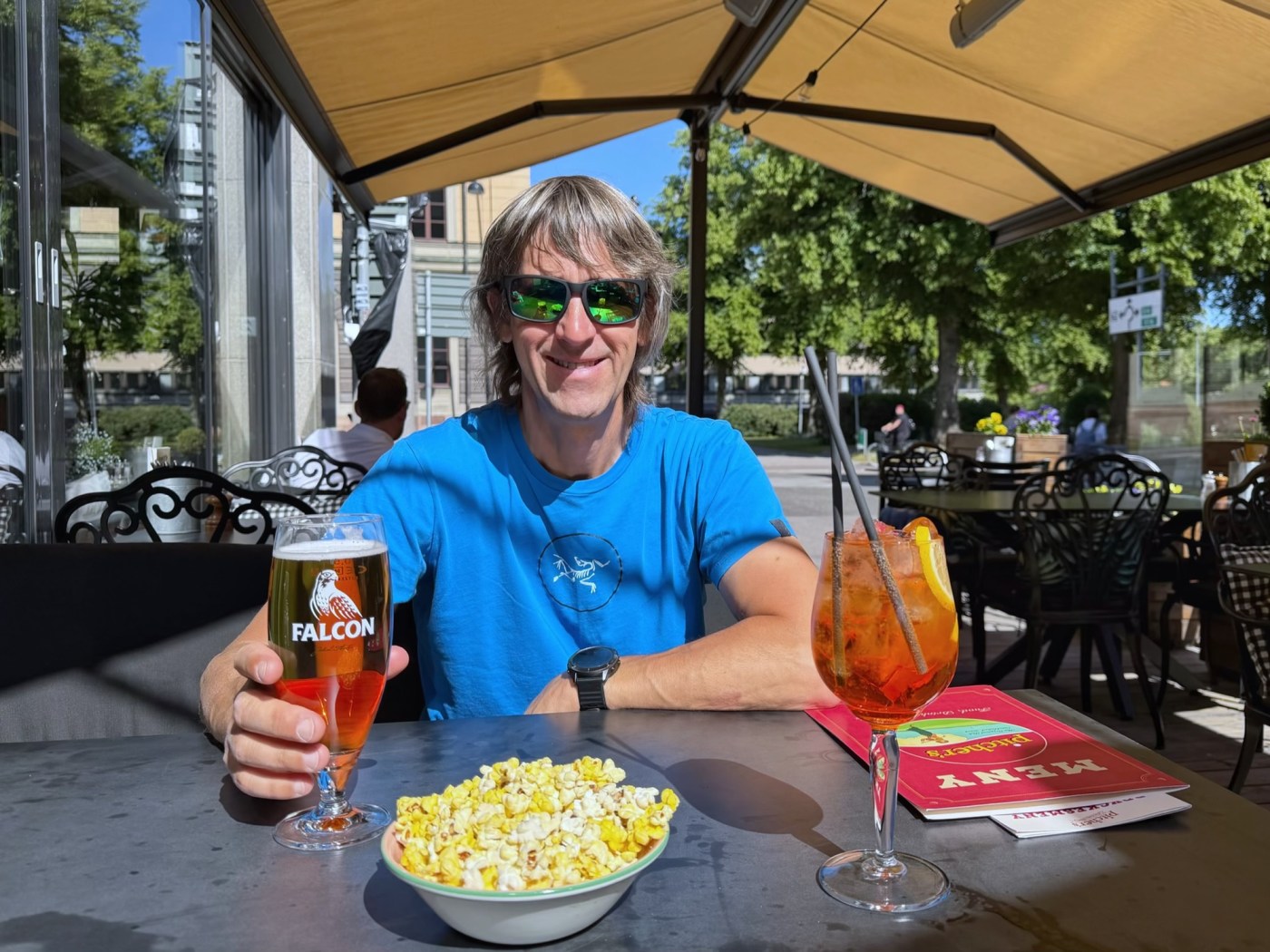
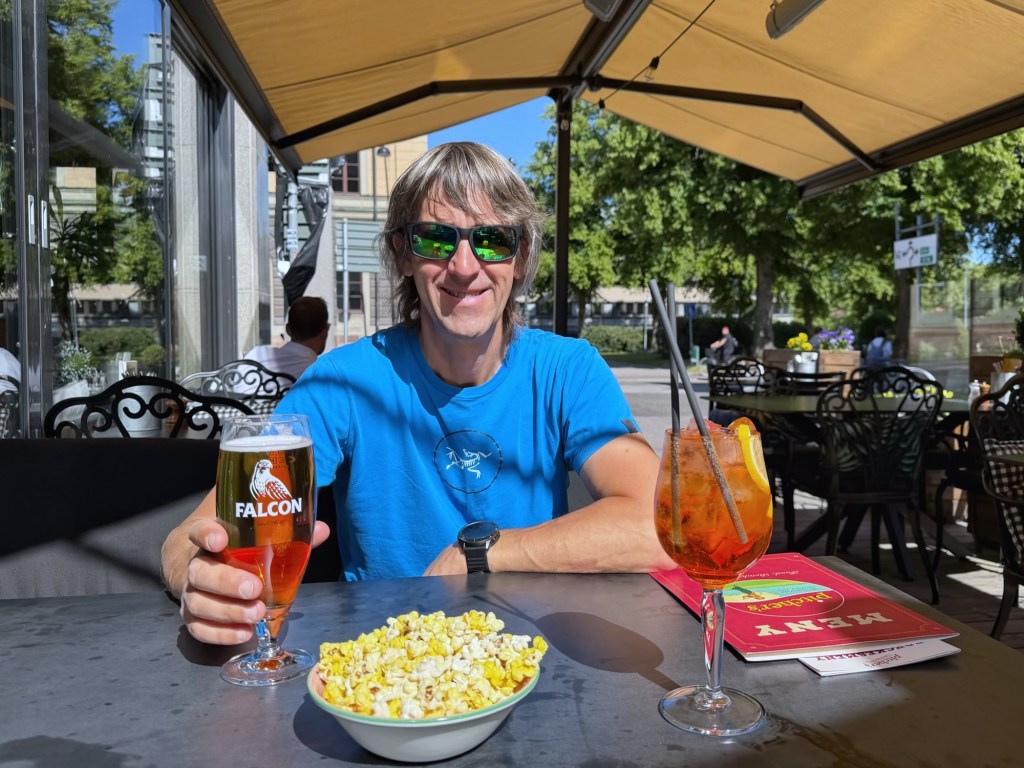
We stopped at a bar for a couple of drinks and some lunch, and it was lovely to be able to sit outside. I think this has been the hottest day of our trip.
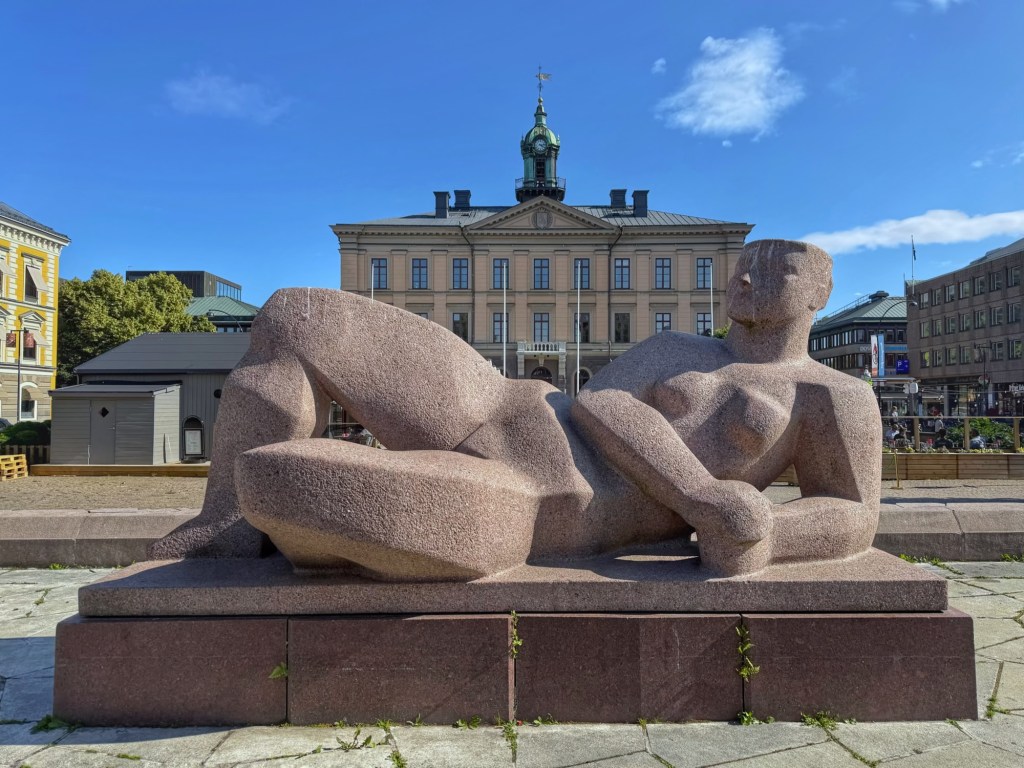
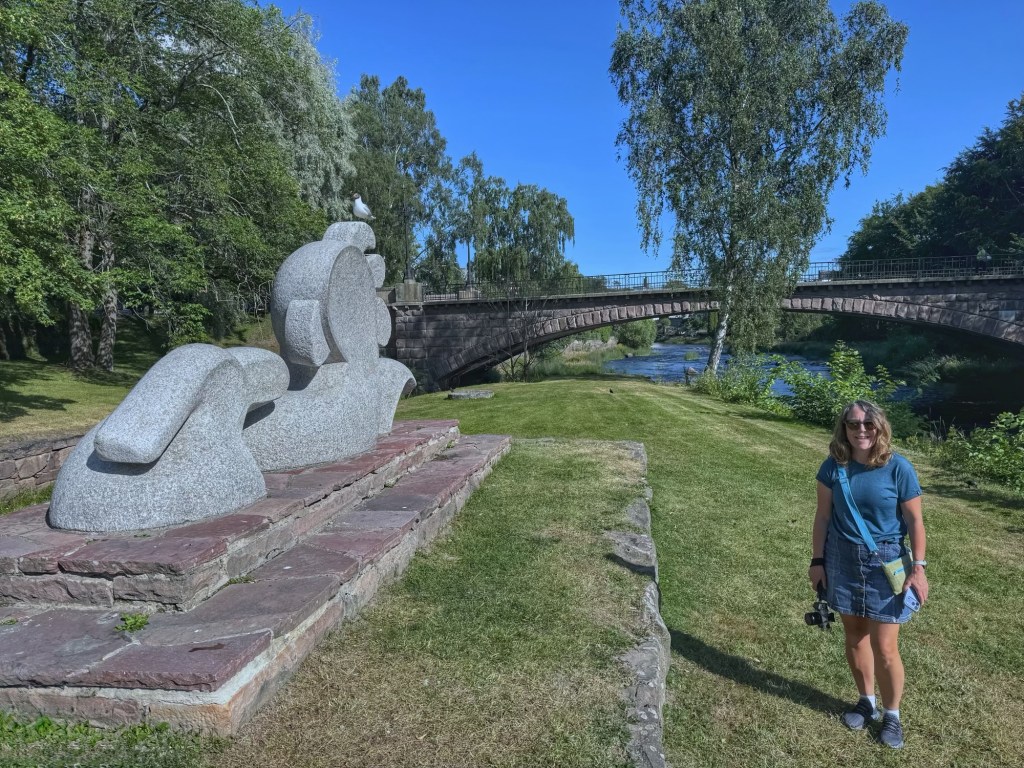
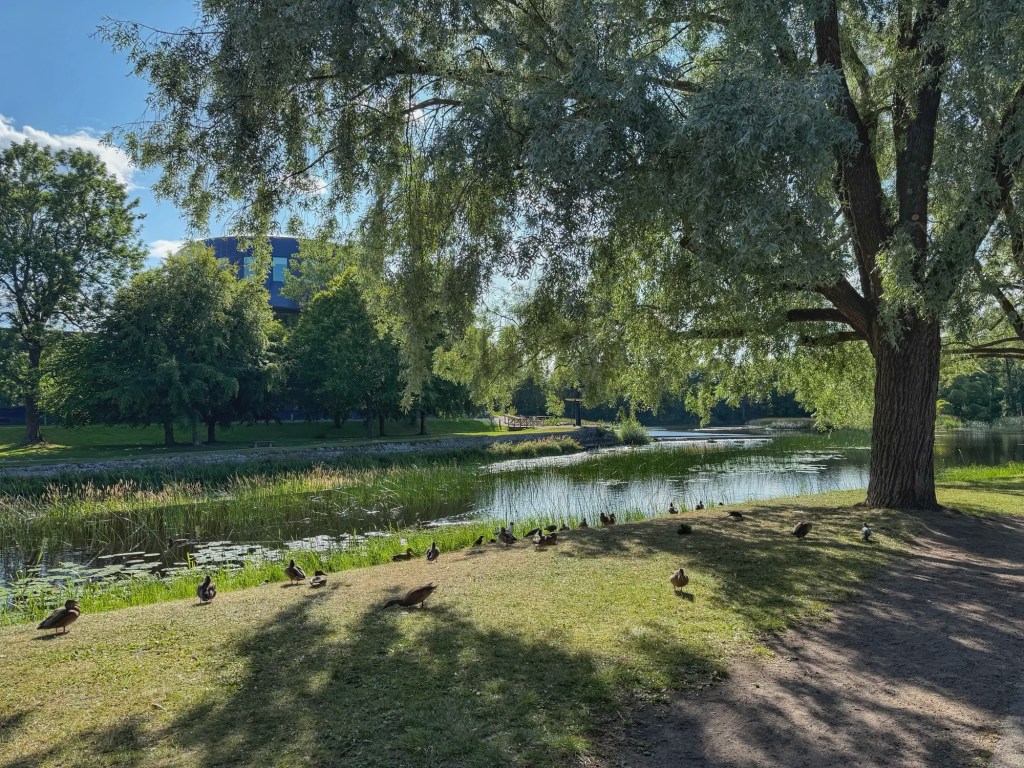
Afterwards, we continued our walk through two adjoining parks… beautiful green places with lots of waterways crossed by small bridges. There were more sculptures too!
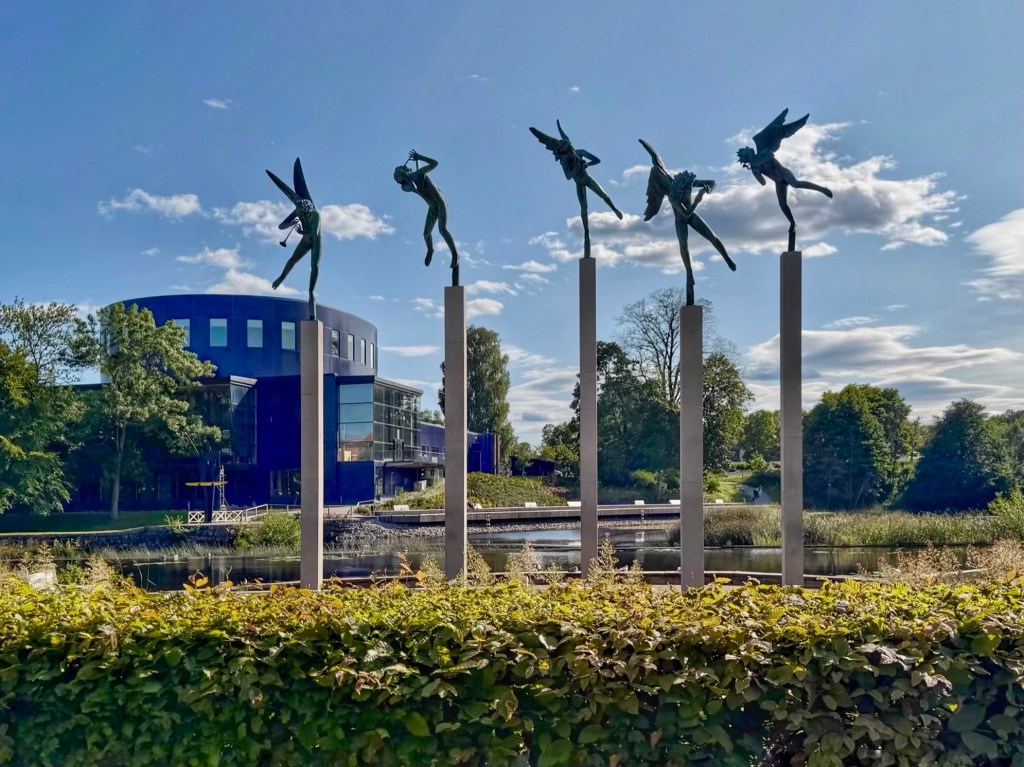
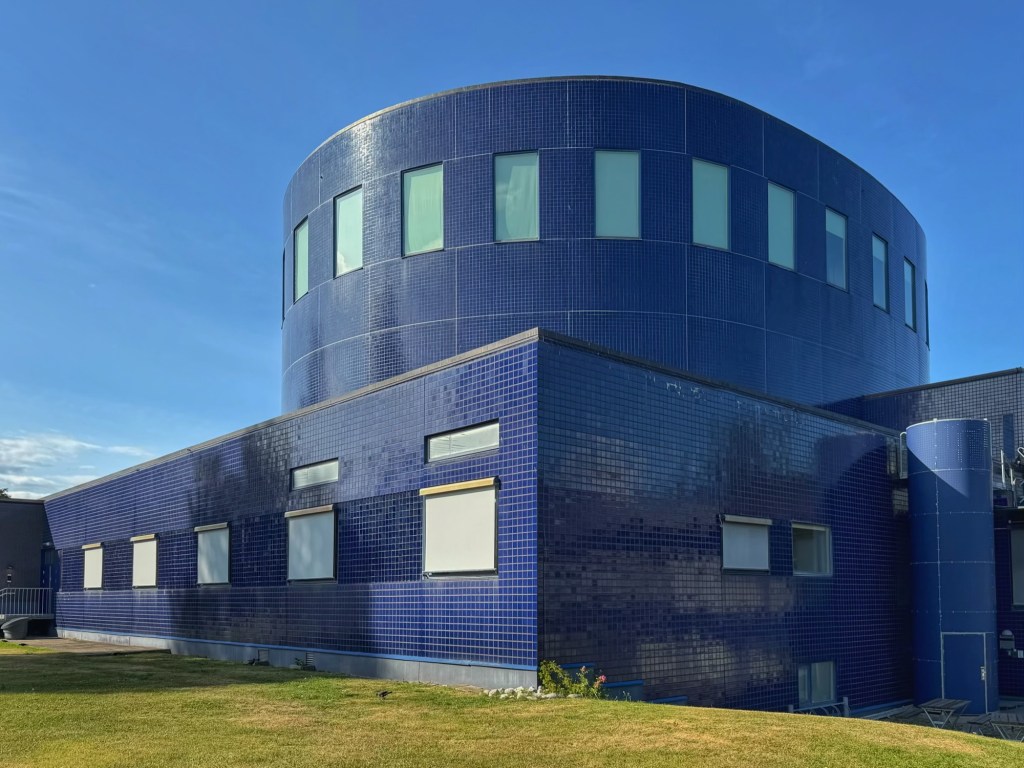
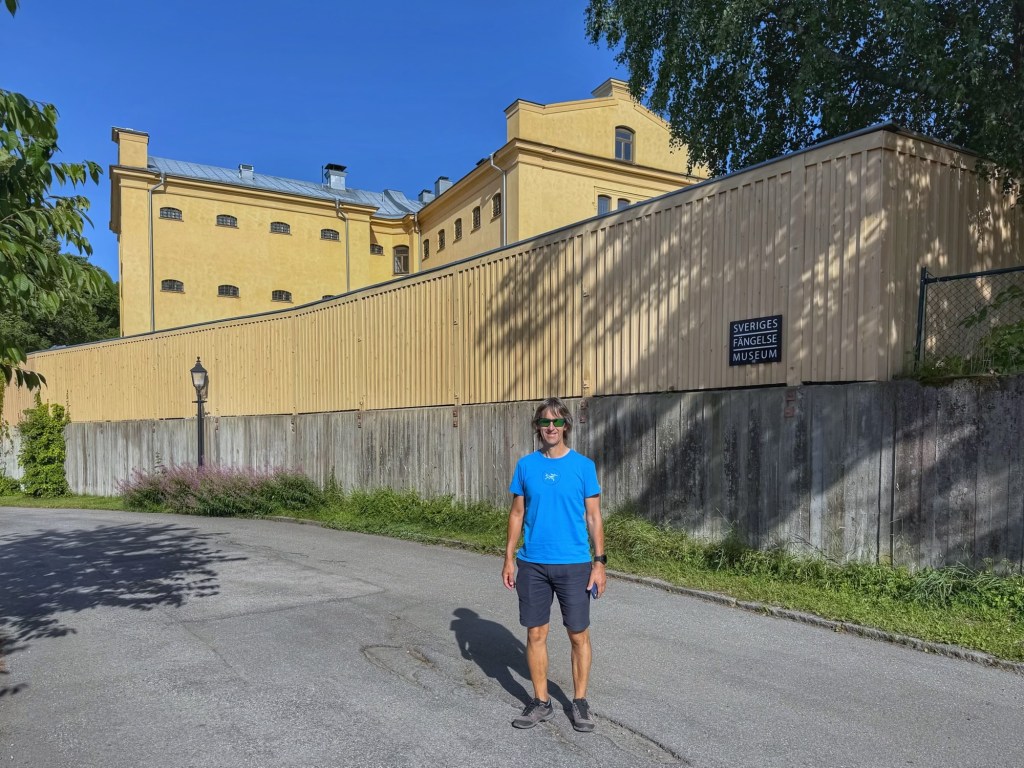
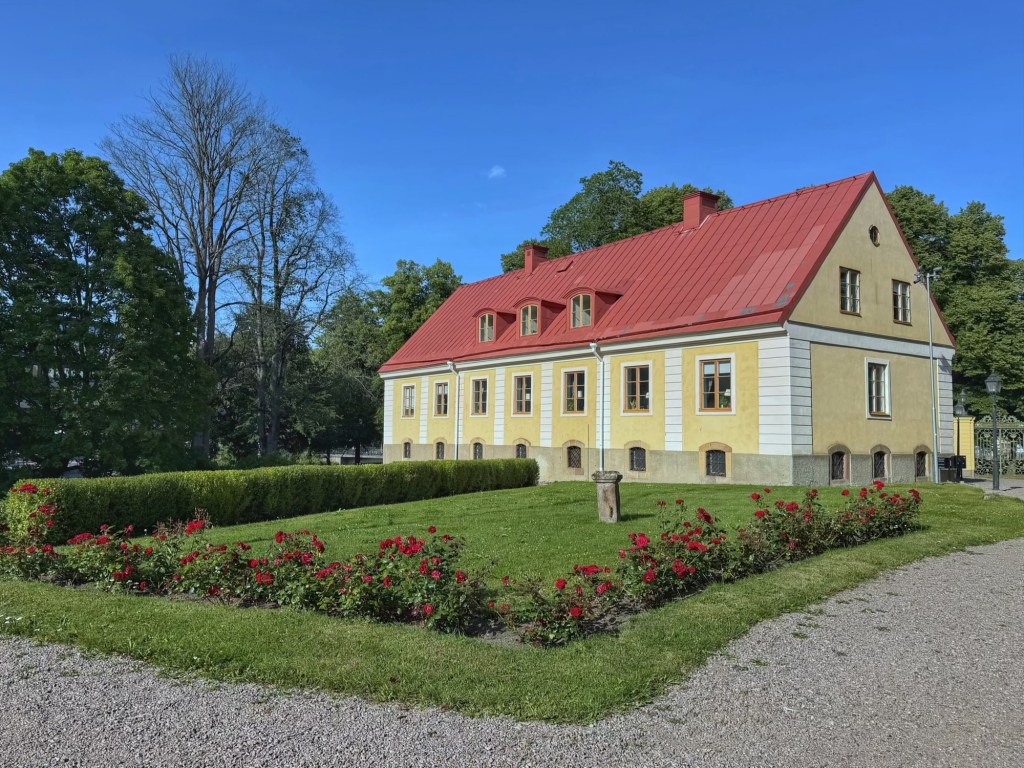
We crossed back over the river and passed more interesting buildings… a blue concert hall on the site of the old bath house, the old prison and Gävle Castle, which we weren’t very impressed with because it didn’t have towers and looked more like a small stately home.
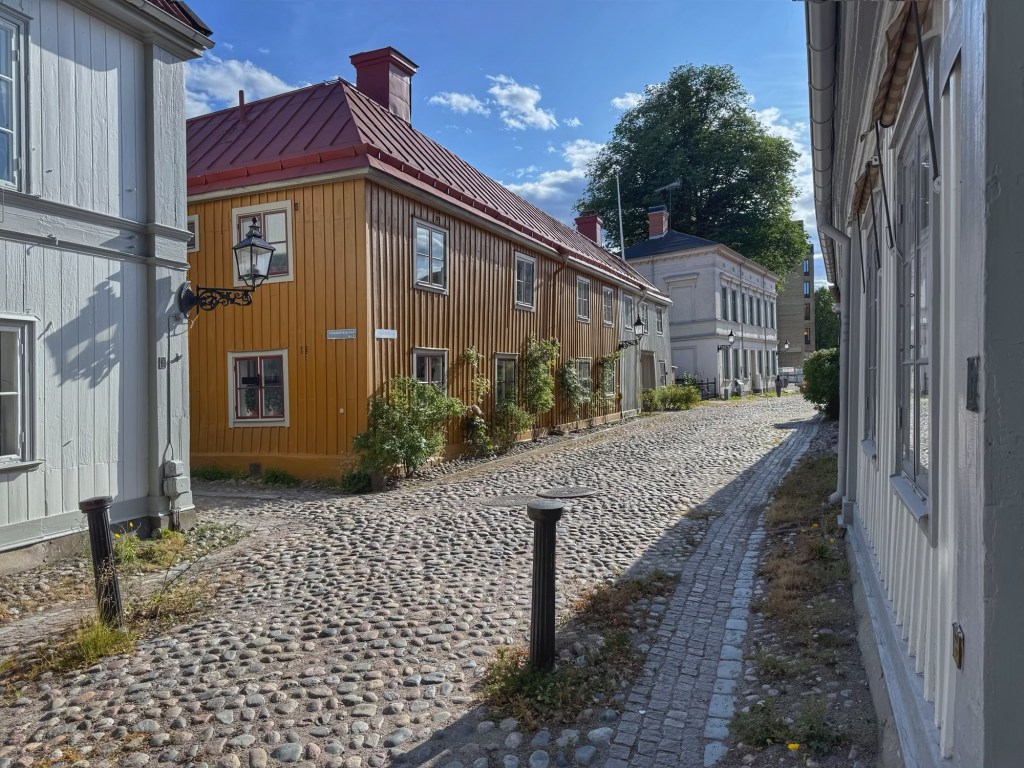
Finally, we came to the old town, which survived the devastating nineteenth century fire that destroyed the buildings on the opposite side of the river. Gävle’s oldest bridge was damaged, then also destroyed in the fire to stop it spreading.
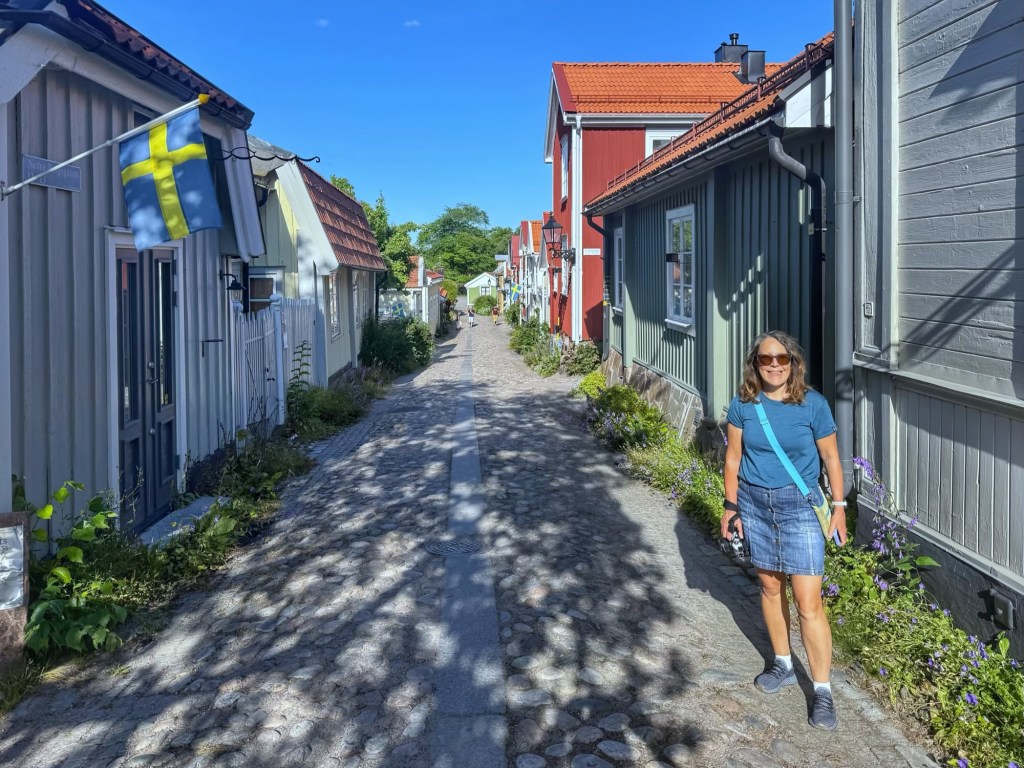
I liked the narrow cobbled streets and coloured timber buildings of the old town, which date back to the 1700s. It was easy to imagine the area once being home to sailors and craftsmen, and animals roaming the alleyways.
Now we’re back at Molly Moho and relaxing for the evening, both a little tired from the heat and experiencing a city after days of being in quiet towns and villages with few people.
 Ramblings
Leave a comment